ES
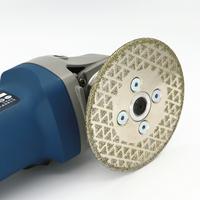
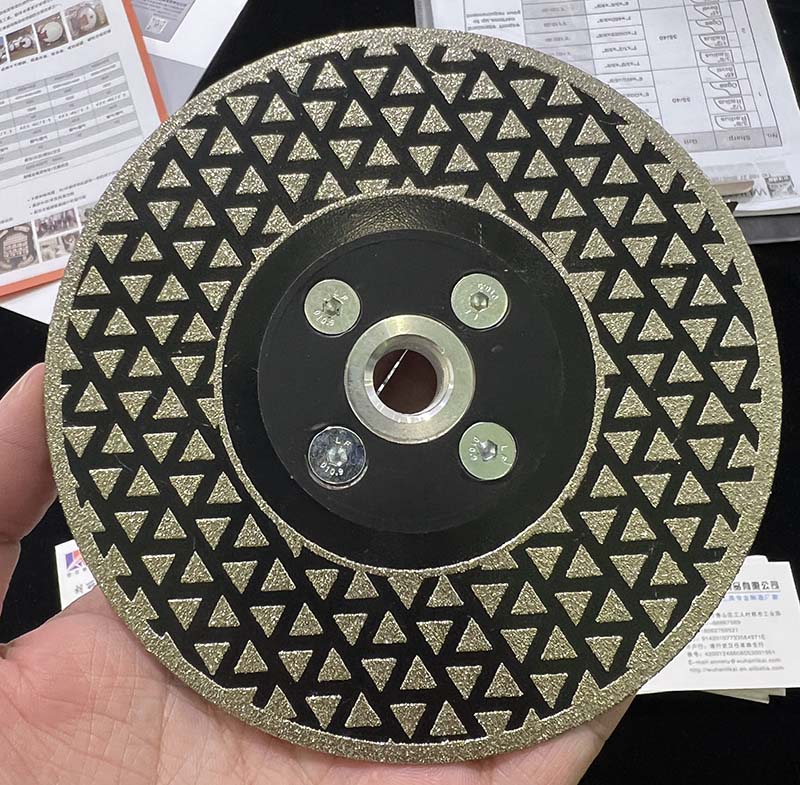
A double-sided diamond disc carries diamond on both the outer edge and the flat faces, so one tool can cut a line and then grind the surface around it. It is a genuine shortcut on the right job and a poor substitute for a dedicated tool on the wrong one.
What double-sided actually means
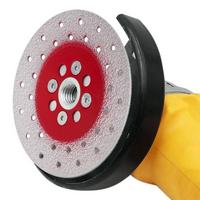
On a double-sided disc the diamond is not only on the rim. The outer edge cuts, and the flat faces grind, which is why these discs are also called cutting and grinding discs. Many are built with an M14 threaded centre so they screw straight onto the grinder spindle. A double-sided disc with an M14 thread is the common form for stone, granite and marble work.
Where a double-sided disc saves time
- Cut then dress in one setup: cut the line, then tilt the disc slightly to grind the raised edge without stopping to change tools.
- Flat surface grinding: the face diamond can flatten a small area right next to a cut.
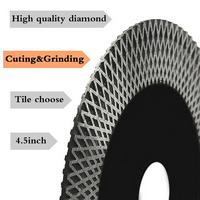
- Trim work on tile and stone: a double-sided cutting disc for marble, tile and stone handles both operations on the same material.
Where it falls short
- Finished edges: a dedicated continuous-rim cutting disc leaves a cleaner edge than the cutting edge of a combination disc.
- Thin, brittle tile: the grinding face adds load that a fragile tile does not want.
- Deep cuts: a dedicated cutting disc of the same diameter cuts deeper and faster.
Setup and safety
Fit the guard, wear eye protection and a dust mask, and clamp the workpiece. Check the disc for cracks before use, run it within its rated RPM, and let it reach full speed before it touches the material. Because these discs both cut and grind, it is easy to apply side pressure that flexes the core, so keep the feed controlled rather than forcing the tool.
How to get the best from one
Use the edge for the cut and the faces for the cleanup, and change the angle deliberately rather than drifting into grinding while you are still cutting. Keep the cut slightly oversize, then grind the edge back to the line in a separate pass. Feed with light pressure: a combination disc is heavier than a cutting disc of the same diameter, and side pressure is what flexes the core and wears the rim unevenly.
Combination disc or two dedicated discs?
If a job is mostly cutting with the occasional edge cleanup, a double-sided disc saves a tool change every time. If a job is mostly grinding with the occasional cut, a dedicated grinding disc or cup wheel will grind faster and flatter. The combination disc earns its place on mixed trim work, not as a straight replacement for both dedicated tools.
Buying checklist
- Thread: M14 or 5/8-11 to match the spindle.
- Diameter and thickness: match to the depth of cut and the tool's capacity.
- Rated RPM: must meet or exceed the grinder's no-load speed.
- Wet or dry: confirm the method you will actually use.
See matching RPM ratings for how size and speed interact, compare builds in the cutting disc and grinding disc ranges, and read how to choose a diamond blade before you buy. Use a double-sided disc for speed and convenience on trim work, and a dedicated disc when the finish itself is the job.