ES
Wet cutting is the better choice for dust control and tool life on most stone and tile work, but it trades one problem for another. Instead of airborne dust, you get slurry - a mix of water and fine stone particles that is slippery, messy and, if mishandled, a hazard both on site and to drains. Managing slurry well is part of doing wet cutting properly.
Why manage slurry at all
- Slip hazard: stone slurry is extremely slippery, particularly on hard floors, and is a genuine cause of falls.
- Contamination: slurry sets hard and can stain or damage surfaces it is left on.
- Drain risk: stone and concrete slurry can settle and block drains, and in many places it must not go into surface water or drains.
- Tool performance: letting slurry build up in the cut and on the tool reduces cutting efficiency and can cause glazing.
- Cleanup cost: slurry left to dry is far harder to remove than slurry dealt with on the spot.
Contain it at the source
- Use a tray or dam: a water tray under the work captures most of the runoff, especially for bench work.
- Build a dam or bund around floor work so slurry stays in the work area rather than spreading.
- Use absorbent mats or sheets around the cutting area to catch splash and drips.
- Control the water flow: you need enough water to cool and flush, but a flood just spreads the problem.
- Wet-vacuum regularly: a wet vacuum picks up slurry before it spreads or dries, keeping the area workable.
Dispose of it responsibly
- Do not tip slurry down drains unless you know it is permitted - it can block pipes and is often regulated.
- Let solids settle: allow slurry to stand so the solids drop out, then separate the clear water.
- Dispose of solids as waste: the settled stone or concrete material goes to proper waste disposal, not the drain.
- Reuse water where practical: separating and reusing the clear water reduces both consumption and disposal volume.
- Check local rules: regulations on slurry disposal vary, so confirm what applies where you work.
Keep people safe on site
- Clean spills immediately; a slurry film on a hard floor is a fall waiting to happen.
- Mark wet or slippery areas and keep them clear of foot traffic where possible.
- Keep leads and plugs out of the water, and use an RCD or GFCI.
- Wear footwear with grip; slurry is more slippery than plain water.
- Clean tools and pads promptly - dried slurry is hard to remove and damages tool performance.
Slurry and the tool
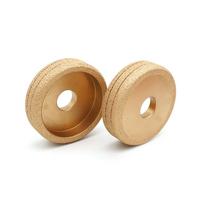
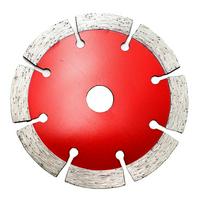
Slurry management is also tool care. A pad or blade caked in dried slurry loses its cutting ability and can mark the work, so rinse tools before the slurry sets. Good flow keeps the cut clean and cool; stagnant, thickening slurry does the opposite. For the cooling side, see water cooling for diamond core drilling. To cut down on the slurry in the first place, choosing the right blade for the material matters - browse the diamond saw blade range, and for the dry alternative see our guide to dust control when grinding concrete.
Safety
Wear eye protection against spray, a dust mask or respirator, and gloves, and keep water away from electrical connections with an RCD or GFCI. Manage fume and slip risks, ventilate enclosed spaces and follow the manufacturer's instructions and local regulations. Treat slurry as waste to be contained and disposed of properly, not as water to be washed away - the environment and your drain will thank you.
Slurry management in short
- Wet cutting trades dust for slurry - both need managing.
- Contain at the source with trays, dams and mats.
- Never tip slurry down drains; settle, separate and dispose properly.
- Clean up immediately - slurry is a slip hazard and sets hard.