
 ES
Diamond grinding of concrete makes a very fine dust, and it is the fine fraction that matters. The visible cloud is a nuisance; the particles you cannot see are the ones that reach deep into the lungs and cause lasting harm. Controlling them is the core of safe concrete grinding, and it relies on capture at the source rather than a mask alone.
Why concrete dust is different
Concrete contains crystalline silica, and diamond grinding breaks it into particles small enough to stay airborne and small enough to be inhaled into the deepest part of the lungs. That is the definition of respirable crystalline silica, and prolonged exposure is linked to serious lung disease. The dust is also abrasive and light, so it spreads easily and settles everywhere. Treating it as ordinary dust is the first mistake.
Capture at the source: shrouds and extraction
The most effective control is to trap the dust as the wheel makes it. A dust shroud fits around the grinding wheel and connects to a vacuum, so the material is pulled away before it can escape into the air.
- Match the shroud to the machine: hand grinder shrouds and floor grinder shrouds are different, and a badly fitting shroud leaks.
- Use the right vacuum: an ordinary workshop vacuum passes fine dust straight through. You need one with suitable filtration, ideally HEPA-rated, and a filter that is cleaned or replaced often enough to stay effective.
- Keep the shroud in contact: lifting the grinder off the surface lets dust escape around the gap.
- Empty safely: changing a filter or bag releases dust, so do it outdoors or with the vacuum running and wear a mask.
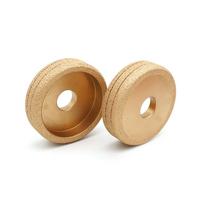
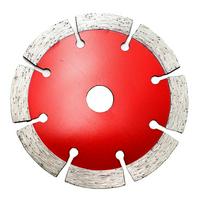
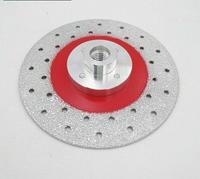
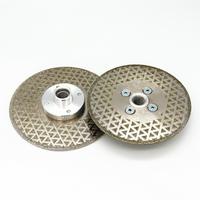
The same logic applies to any diamond grinding wheel - the wheel type does not change the dust, only the shroud and vacuum behind it do.
Wet grinding as an alternative
Wet grinding suppresses dust at the source by turning it into slurry. There is no airborne cloud, which makes it the better choice in occupied buildings or where extraction is impractical. The trade-off is the slurry itself: it has to be contained, cannot be allowed down a drain, and leaves a slippery floor. Wet grinding also changes the wheel's behaviour and needs a tool suited to water, so the choice between wet and dry is usually made on the job, not in the shop.
Personal protection
- Respirator: a properly fitted mask rated for fine particulate is essential for dry grinding, even with extraction. A nuisance dust mask is not adequate for silica.
- Eye protection: the grinder throws grit as well as dust.
- Hearing protection: grinding is loud and the exposure is cumulative.
- Gloves and workwear: protect skin and avoid carrying dust home on clothing.
Housekeeping that actually helps
- Never dry sweep or use compressed air - both put settled dust straight back into the air.
- Use extraction, wet methods or a vacuum for cleanup, not a broom.
- Seal off the work area where possible so dust does not migrate through a building.
- Change clothes and wash before leaving the site to avoid taking dust home.
- Keep the worksite ventilated and follow local regulations on silica exposure limits.
Safety in short
Capture the dust at the wheel with a shroud and suitable filtration, wear a fitted respirator and eye and hearing protection, manage slurry if you grind wet, and never rely on sweeping or a light mask to solve a silica problem. Follow the manufacturer's instructions for the tool and the extraction equipment, and check your local rules for silica control before starting a concrete grinding job. For the wider workflow, see concrete floor preparation tools.
Dust control checklist
- Shroud fitted and seated on the surface.
- Vacuum rated for fine dust, filter clean.
- Respirator fitted and worn for every dry pass.
- Wet option considered for enclosed spaces.
- Cleanup by vacuum or wet, never dry sweep - and browse the grinding disc range for compatible wheels.