ES
Porcelain and ceramic tile can look identical and cut nothing alike. One is soft-bodied and forgiving; the other is dense and hard enough to glaze a blade that is not matched to it. Choosing the right diamond tool starts with understanding why the two materials behave so differently, because the same blade that flies through ceramic can stall on porcelain.
The structural difference
Ceramic tile is fired at a lower temperature, giving a softer, more porous body that cuts quickly and absorbs some of the cutting shock. Porcelain is fired hotter and pressed denser, so it is harder, less porous and far more abrasive on the cutting edge. The result: ceramic lets a blade cut fast and tolerates a coarser tool, while porcelain needs a blade that stays sharp and cool under harder work.
What that means for the blade
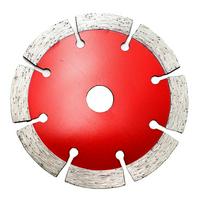
- Ceramic: a continuous rim or turbo blade cuts cleanly and lasts a long time. The softer body does not punish the rim.
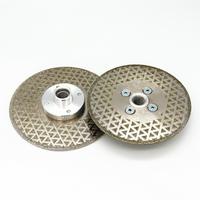
- Porcelain: a hard, fine-grit continuous rim or a turbo mesh blade keeps the cut clean and cool. A coarse or glazed blade burns the edge and chips the glaze.
- Both: a thin kerf reduces chipping and makes the cut easier, which is why tile blades are thin.
A diamond blade for porcelain tile and ceramic is designed to handle both, but the technique still has to change with the material.
Chipping risk
Chipping is the visible difference in the finished cut. Ceramic chips mostly on the exit side, where the blade breaks through. Porcelain chips on both the entry and exit because the harder body puts more stress on the glaze. That is why porcelain demands a thin, sharp blade, a slower feed and support on the exit side, while ceramic is more forgiving of a faster cut. Where the cut will be seen, both materials reward a blade that is genuinely sharp - a dull blade chips more, not less.
Cutting technique by material
- Ceramic: feed at a moderate, steady speed; a continuous rim blade handles it well. Support the exit and do not rush the last centimetres.
- Porcelain: slow the feed, let the blade cut rather than forcing it, and keep water flowing to control heat. Take the cut in a single steady pass rather than sawing back and forth.
- Both: use a straight guide for long cuts, keep water on wet blades, and dress or replace a glazed blade before it starts burning the edge.
If a blade glazes - a bright, polished rim that stops cutting - see why blades glaze over and how to dress them.
Choosing between blades
- Mostly ceramic: a continuous rim blade gives a clean, fast cut and good life.
- Mostly porcelain: a turbo mesh or hard continuous rim blade stays sharp and cool.
- Mixed work: a blade designed for both avoids swapping tools, but accept that it is a compromise.
- Large-format tile: match the blade diameter to the tile and use a rail cutter or a guide for a straight line.
For more on tile cutting, see the tile tools range.
Safety
Tile cutting produces silica dust, so wear a dust mask or respirator, eye protection and hearing protection, and use water or extraction to control dust. Keep the tile clamped or supported, respect the blade's maximum RPM, keep the guard fitted and follow the manufacturer's instructions. A blade that catches in hard porcelain can kick, so grip the tool firmly and never cut towards your body.
Porcelain versus ceramic in short
- Ceramic is softer and more forgiving; porcelain is denser and harder on blades.
- Both want a thin, sharp rim; porcelain demands it more.
- Slow the feed on porcelain and support the exit on both.
- Match the blade to the material - browse the diamond saw blade range.