ES
Every diamond tool reaches a point where it must be replaced, and the trick is recognising it before it fails or ruins a job. There is a difference between a tool that is working but worn, one that can be revived, and one that is finished. Reading the signs saves material, time and, at worst, an injury.
The general principle
Diamond tools wear back as they work - that is how they stay sharp - so some wear is normal and expected. Replacement becomes necessary when there is no useful diamond left, when the tool is damaged, or when it can no longer cut acceptably. The judgement is about whether the tool can still do its job safely and to standard, not simply whether it looks used.
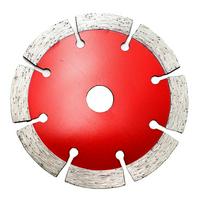
Diamond saw blades
- Segments worn close to the core: when the diamond layer is nearly gone, the blade cannot cut and may damage the work - replace it.
- Missing or cracked segments: an unbalanced blade is unsafe; replace immediately.
- Cracks in the steel core: any crack means the blade is finished - a core failure at speed is dangerous.
- A bent core: cannot be straightened; replace it.
- Persistent glazing that will not dress: if it still will not cut after dressing, it is worn out - see glazing and dressing.
Core bits
- The crown is worn flat or blunt and no longer cuts, even with correct speed and water.
- Diamond is gone from the cutting edge and the bit only polishes the hole.
- A cracked or bent barrel: a damaged core bit cannot drill straight and must be replaced.
- Damaged thread: a bit that will not seat securely is unsafe to use.
- Overheating damage from running dry - a blued or burnt crown is finished.
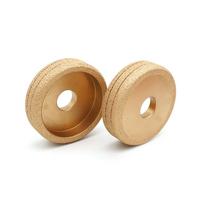
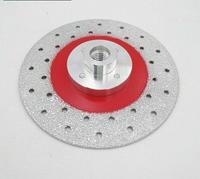
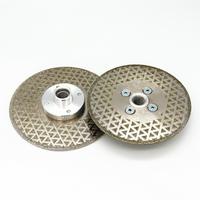
Cup wheels and grinding discs
- Segment height nearly gone: no diamond left to grind with - replace.
- Missing or broken segments: unbalanced and unsafe.
- Cracks or bends in the body: replace immediately.
- Excessive vibration that persists with a known-good tool - the wheel is out of balance.
For the detailed inspection points on wheels, see signs a cup wheel needs replacement.
When a tool can still be saved
- Glazed but with segment height remaining: dress it and it may cut again.
- Contaminated rather than worn: clean slurry off a pad or bit and it may work normally.
- Slightly uneven wear from poor technique: if the tool still cuts safely, adjust technique and monitor it.
But a tool with no diamond, a damaged body or a damaged thread cannot be saved. Attempting to use it is a false economy and a safety risk.
Signs a tool is unsafe, not just dull
- Cracks, bends or missing segments.
- Vibration that does not go away.
- A core or body that has distorted from heat.
- A thread or bore that no longer seats correctly.
- A maximum RPM marking that has worn off.
Safety
Replace a tool rather than using it beyond its safe life. Inspect before every use, keep guards fitted, respect maximum RPM, wear eye and hearing protection plus a dust mask or respirator, and follow the manufacturer's instructions. Retire any tool that fails inspection - a worn-out diamond tool can fail violently, and the cost of a new tool is trivial next to the cost of an injury. Browse the diamond saw blade range for replacements.