
 ES
A diamond cup wheel does not usually stop working all at once. It tells you it is tiring through a series of small signs - slower cutting, more vibration, a change in sound - and the operator who reads those signs retires the wheel before it costs a floor or, worse, fails at speed. Knowing what normal wear looks like is the first step.
Normal wear versus a worn-out wheel
A healthy wheel wears evenly as it works, with the diamond layer thinning steadily across all segments. That is not a fault; it is the wheel doing its job. A wheel that needs replacing has usually moved past even wear into one of the failure patterns below. The practical test is whether the wheel can still cut efficiently and safely, not simply whether it looks used.
Signs it is time to replace
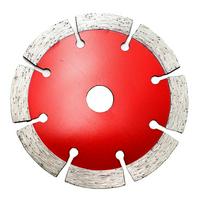
- Segments worn down to the core: once the diamond layer is nearly gone and the steel body is close to the surface, the wheel cannot cut and risks damaging the work.
- Missing or cracked segments: a lost segment makes the wheel unbalanced and unsafe; retire it immediately.
- Glazing that cannot be dressed: a smooth, shiny face that stopped cutting can sometimes be refreshed, but if dressing does not restore it, the diamond is spent.
- Excessive vibration or a wobble: often a bent core or uneven wear - both unsafe at grinding speed.
- Uneven wear on one side: the wheel is out of balance or the machine has run-out, and cutting will only get worse.
- A change in sound and dust: a wheel that suddenly runs louder, or stops throwing the dust it used to, is telling you it has changed.
- Cracks in the steel core: any visible crack is an immediate stop; a core failure at speed is dangerous.
When dressing can save it
Glazing is the one problem that is often recoverable. If the wheel has polished over because the bond is holding blunt diamond, working it briefly on an abrasive surface - or on a scrap of the material it is meant to grind - can strip the glazed layer and expose fresh diamond. But dressing only helps if there is diamond left to expose. On a wheel whose segments are nearly gone, dressing just removes the last of the cutting layer. Our notes on glazing and dressing cover the technique.
Matching the replacement to the job
If one wheel keeps failing the same way, the replacement should be a different spec, not just a fresh one:
- Glazing on concrete: choose a softer bond so fresh diamond keeps appearing.
- Very short life on soft, abrasive material: choose a harder bond.
- Chipping on edges and stone: move to a resin filled wheel with a continuous face.
- Heavy coating removal: a segmented or arrow wheel with a metal bond.
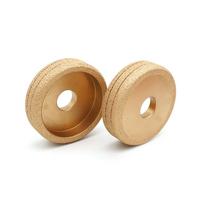
For finishing work on stone, a resin filled cup wheel is a gentler replacement than a metal bond wheel; for hard concrete prep, a metal bond wheel is the durable choice.
Why a worn wheel is a safety issue
A grinding wheel spins fast, and a wheel that is unbalanced, cracked or missing a segment can throw a piece or shatter. Removing a segment at speed sends metal and diamond across the work area, and the loss of balance can pull the grinder out of your hands. Replacing a worn wheel is far cheaper than an injury or a ruined job.
Safety
Inspect the wheel before every job for cracks, missing segments and even wear. Wear eye protection, hearing protection and a dust mask or respirator, use the guard and side handle, clamp the work, and respect the wheel's maximum RPM. Never fit a wheel whose rating is below the tool's speed, and follow the manufacturer's instructions. If a wheel fails, replace it rather than trying to dress it back into service.
Replacement in short
- Even wear is normal; segments to the core, cracks or missing segments mean replace.
- Glazing can sometimes be dressed; spent diamond cannot.
- Vibration or a wobble is a stop sign, not a nuisance.
- Match the new wheel's bond to the material - browse the grinding disc range for options.