ES
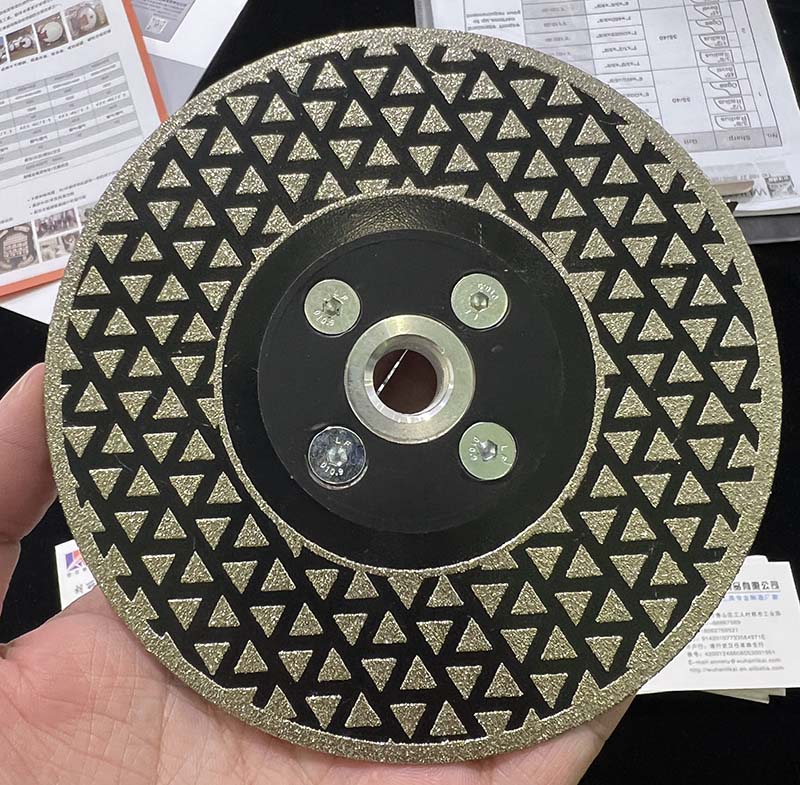
A diamond blade or core bit can be ruined before it ever cuts a thing. A bent core, a chipped rim, a rusted thread or a cracked segment all come from how the tool was stored and moved, not how it was used. Protecting diamond tools is simple, and it pays back every time a tool is picked up ready to work.
Protect the cutting edge first
The diamond rim is the part that does the work and the part most easily damaged. Knocked against another blade or dropped on a hard surface, the segments can chip, cracking the bond and shortening life. Never stack blades loosely in a bag or a toolbox where they can knock together, and never let a core bit roll around with other steel. Use the original case, a rack or individual sleeves so each tool's edge is protected.
Prevent bend, warp and run-out
- Store blades flat or hanging on a dedicated rack, never leaning on a bent or uneven surface for long periods.
- Do not stack heavy tools on top of a blade.
- Support large blades so their own weight does not warp them.
- Inspect for flatness and run-out before use - a bent blade cannot be straightened and will vibrate.
- Keep core bits upright or in a rack so the barrel is not knocked out of true.
Control moisture and rust
- Store tools in a dry place; damp air rusts the steel core and the thread.
- Dry tools thoroughly after wet cutting before putting them away - a wet blade in a closed case rusts fast.
- A light protective wipe on machined surfaces and threads helps prevent corrosion.
- Check stored tools periodically and deal with any rust before it pits the steel.
Transport without damage
- Use a case or a rack that holds each tool separately, especially when carrying several blades.
- Pack blades so they cannot slide or fall against each other in a vehicle.
- Keep tools out from under other equipment that might crush or bend them.
- Secure core bits so they do not roll; a bit that rolls around a van ends up with damaged threads.
- Do not transport blades or bits loose in a toolbox of spanners and offcuts.
Storage for shops and distributors
- Store by size and type on a rack, so tools can be taken down without disturbing others.
- Keep the original packaging - it protects the edge and carries the markings and instructions.
- Rotate stock so older tools are used first, and check for corrosion in long-stored items.
- Keep reference samples sealed separately so they are not damaged and remain a true comparison.
Good storage also supports the inspection habit covered in our guide to quality inspection for electroplated tools - a tool whose history you know is easier to trust.
Before you take a tool out of storage
- Check the core for bends, cracks and rust.
- Check the rim or segments for chips, missing pieces or glazing.
- Check the thread for damage so it seats properly on the tool.
- Check the marking is still legible - especially the maximum RPM.
- Retire any tool that fails these checks rather than risking it on a job.
Safety
A damaged blade or bit can fail violently at speed, so never use a tool that failed inspection. Wear eye and hearing protection, keep guards fitted, respect maximum RPM markings and follow the manufacturer's instructions. When moving heavy blades or slabs, use proper handling equipment - the risk in transport is to people as much as to tools.
Storage and transport in short
- Protect the edge and the core; never let tools knock together.
- Keep them dry and store blades flat.
- Inspect before every use and retire damaged tools.
- Browse the tool ranges to see how blades and bits are packaged and protected.