ES
Some materials are too valuable or too brittle to waste. A thick blade turns a piece of jade into dust and cracks a glass panel; a thin diamond blade removes only a sliver and leaves the material intact. On jade, glass, ceramic and similar hard, brittle materials, the thickness of the cut is not a detail - it is the difference between a clean result and a ruined piece.
Why thin kerf matters
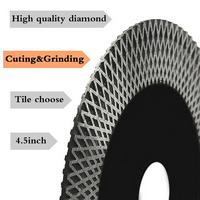
Every blade removes a strip of material as wide as its kerf. On a cheap material that waste is acceptable; on jade, where a cut may divide a valuable stone, or on glass, where a wide kerf means more stress and more heat, it is not. A thin blade removes less material, generates less heat, and puts less stress on the edges of the cut - which for brittle materials means far less chipping and cracking. A thin diamond saw blade for glass and marble shows what 'thin' should mean in practice.
What the thin blade is good for
- Jade and gemstone cutting: preserving material and cutting precise slices.
- Glass and mirror: cutting panels and glass tile with minimal chipping.
- Ceramic and porcelain tile: clean cuts where a thick blade would chip the edge.
- Rock panels and veneer: slicing thin material without tearing it.
- Delicate or expensive materials: wherever the cut has to be accurate and low-loss.
Cutting brittle material without cracking it
- Use water - on brittle material, cooling is what keeps the cut from cracking.
- Run slower than you would on tile; heat and pressure are what fail brittle material.
- Feed gently and let the diamond grind through; a thin blade bends and wanders under force.
- Support the material fully, especially at the exit, so it cannot flex or drop.
- Use a guide for straight cuts and keep the blade perpendicular.
- Do not stop in the cut with the blade spinning - the friction marks and stresses the material.
Choosing the blade
- Match thickness to the material - thinner for the most brittle and valuable, slightly thicker where some rigidity helps.
- Match the rim to the finish - a fine continuous rim for the cleanest edge; a fine turbo rim where a little more speed is useful.
- Match the diameter to the machine and the depth of cut; and respect the blade's RPM rating.
- Keep it sharp - a glazed thin blade tears brittle material rather than slicing it.
A glass and ceramic cutting blade covers the fine-rim end of this range for glass, tile and thin stone panels. For the specific safety rules that apply when the brittle material is glass, see our glass cutting disc guide.
Safety
Brittle materials fracture without warning, so wear eye protection and a face shield where fragments could fly, plus a dust mask or respirator. Use water or extraction to control dust, keep water away from electrical connections with an RCD or GFCI, secure the workpiece and keep hands clear of the blade. Handle freshly cut edges with care - glass and jade edges are razor sharp - and follow the manufacturer's instructions for the blade and material.
Thin blades in short
- Thin kerf means less waste, less heat and less chipping.
- Best for jade, glass, ceramic and delicate panels.
- Water, low speed, light feed and full support.
- Browse the diamond saw blade range for thin blades.