ES
Tools bought for a rental fleet or a contractor counter live a harder life than tools bought for a controlled shop. They get used by people who did not choose them, on materials they were not necessarily meant for, with maintenance that may be minimal. Choosing diamond tools for that environment is about durability, clarity and reducing the chance of misuse - not about finding the least expensive tool.
Why fleet tooling is different
- The operator is variable: a rented tool is used by whoever hires it. The tool must tolerate rough handling and mistakes.
- The material is variable: the same blade may meet tile one day and concrete the next, so it must cope with a range.
- Maintenance is minimal: tools are often returned rather than looked after, so they must be robust and easily checked.
- Liability matters: a tool that fails or is misused creates a safety and reputational risk for the fleet.
What to prioritise when choosing
- Durability: a bond and core that survive being used hard, even if that means a slightly slower cut.
- Versatility: a tool that handles a reasonable range of materials rather than one narrow application.
- Clear, durable marking: maximum RPM, dimensions and intended use must stay legible after heavy use - this is a safety issue, not cosmetics.
- Standard threads: keep tooling matched to the fleet's machines so nothing is mis-fitted.
- Availability: the tool must be re-orderable so a successful item is not stranded.
For how one tool's bond affects its behaviour across materials, see the bond matrix explained.
Reducing misuse through tool choice
- Choose tools that are forgiving of technique - a blade that tolerates a heavy hand lasts longer in a fleet.
- Match tools to the machines in the fleet so they cannot be fitted to the wrong spindle.
- Keep the tool range simple: standardising reduces the ways a tool can be misused.
- Supply clear instructions and safety information with every tool, so the user has no excuse.
- Offer the right tool for the job so users are not forced to improvise with the wrong one.
Maintenance and inspection routines
- Inspect returned tools for damage before they go out again - a cracked or bent tool must leave the fleet.
- Check markings remain legible, since faded safety information is a liability.
- Replace accessories such as backers and guards as they wear, not only blades and bits.
- Keep a simple record of which tools fail often, and change the specification if a pattern appears.
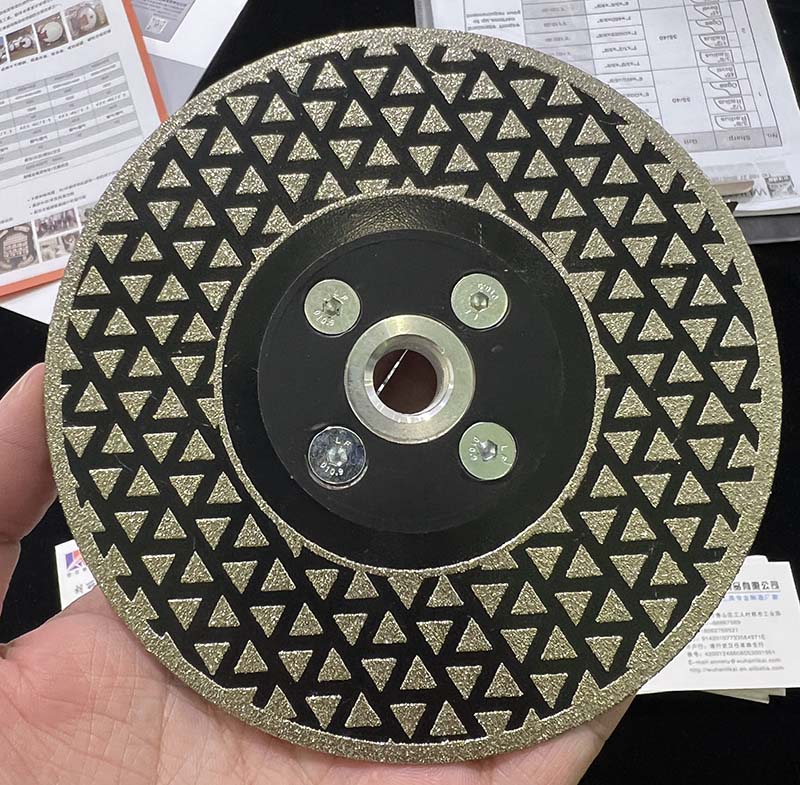
The inspection points mirror those for buying a single tool - see quality inspection for electroplated tools.
Contractor supply: what the counter needs
- A clear range that maps to the jobs contractors do most, so staff can recommend without guesswork.
- Tools with accurate, readable markings so the customer can check suitability.
- Consistent stock, so a contractor can rely on the same product.
- Safety information to hand, because a supply counter is often the last point of advice before a job.
- Honest guidance on which tool suits which material, rather than selling the most expensive option.
Safety
Fleet and supply tooling must carry accurate safety information: correct maximum RPM, intended use and handling instructions. Ensure tools are fit for the machines they will be used on, keep guards and safety accessories available, and never supply a tool for a use it was not designed for. Wear and tear on a safety-critical product is a hazard, so inspect and retire tools as a routine, not an afterthought.
Fleet tooling in short
- Durability, versatility and clear marking beat a lower unit cost.
- Standardise on threads and tools to reduce misuse.
- Inspect returns and retire damaged tools without hesitation.
- Browse the tool ranges to build a fleet-ready specification.