ES
There is no single service life for a granite blade, and any number quoted without context is misleading. Granite varies in hardness and abrasiveness, jobs vary in feed and cooling, and blades vary in bond and segment height. What you can do is understand the variables, read the wear signs and judge remaining life from the blade itself.
What determines blade life
- Bond hardness. The metal bond must wear back at roughly the rate the diamond dulls. Too hard and the blade glazes instead of releasing dull grit; too soft and it sheds diamond before it is spent.
- Segment height. Segment height is the usable diamond depth. More of it means more cutting life, and as it wears down the blade nears the end of its working range.
- Feed pressure. Forcing the blade dulls diamond, builds heat and shortens life. A steady feed that lets the diamond cut is gentler on the blade than heavy pressure.
- Cooling. Water carries heat away and flushes slurry. A dry blade that overheats loses diamond faster than a cooled one.
- RPM. Running within the rated RPM keeps rim speed in the range the bond was designed for.
Wear signs to watch
- A shiny, glazed rim that cuts slowly and runs hot.
- Flat spots, or a segment that has broken away.
- The cut getting slower at the same feed and pressure.
- More heat, more smoke and more sparks on granite.
Glazing deserves attention because it is often fixable. Why diamond blades glaze over explains how a glazed blade can be dressed back to a cutting condition instead of being replaced.
Judging remaining life from segment height
Segment height is the most honest indicator you have. Measure the diamond band above the steel core and compare it with the blade when new; as the band thins toward the core, the blade is closer to retirement. A blade with plenty of diamond left but a glazed rim is a dressing problem, while a blade with almost no band left is a replacement problem. Knowing which one you have stops you scrapping good blades and pushing worn ones too far.
How to extend blade life
- Run the blade at its rated RPM, not the grinder's maximum by default.
- Keep the feed steady and let the diamond abrade.
- Use water feed or dust extraction to control heat.
- Dress a glazed blade rather than forcing it.
- Avoid side pressure - it flexes the core and wears the rim unevenly.
Cost per cut beats cost per blade
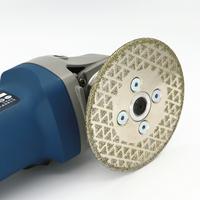
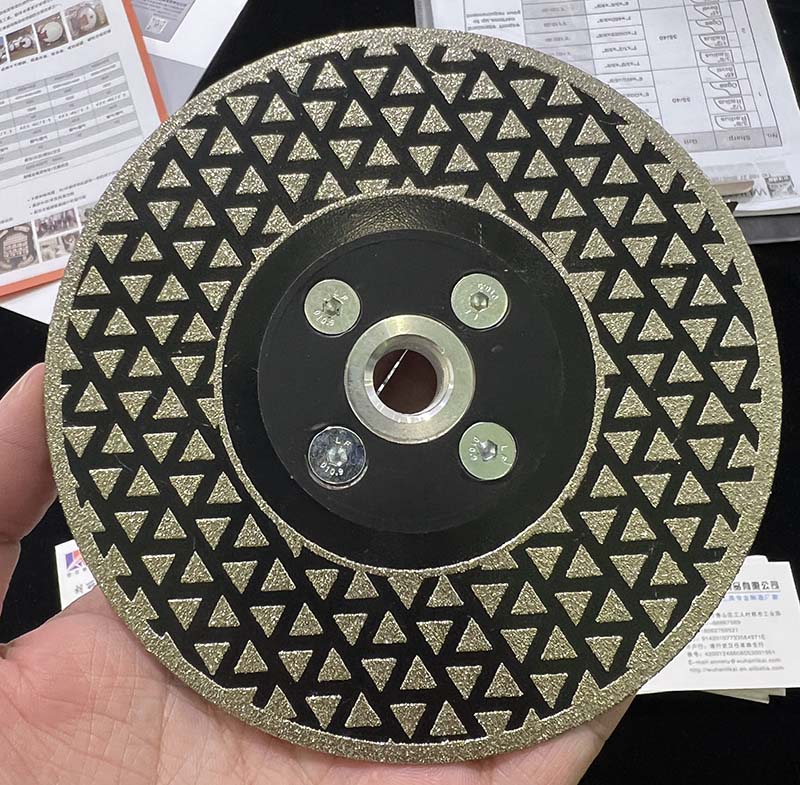
A blade that lasts longer but cuts slowly is not automatically the cheaper choice. Cost per cut weighs the blade against the material it removes and the time it takes, which is the number that matters on a production job. A granite blade from the diamond saw blade range, like this granite turbo cutting disc, is judged the same way - by the cutting it delivers, not by a description on the pack.
Safety
Fit the guard, wear eye protection and a dust mask, and clamp the workpiece. Inspect the blade for cracks and check that segments are intact before each use. Never exceed the rated RPM, and follow the manufacturer's instructions for the tool and the blade. When a blade reaches the end of its usable segment, retire it - a worn blade cuts slowly, runs hot and is harder to control.
For the signs that a blade is genuinely past its working life, see when to replace a diamond saw blade, core bit or cup wheel, and check segment height and blade value before your next order.