ES
Segment height is one of the few figures on a diamond blade that directly hints at how long it will last, which makes it useful for buyers trying to compare products. But it is also often misunderstood - a taller segment does not automatically mean a better blade. Understanding what segment height does and does not tell you is the difference between a sensible buying decision and being sold a number.
What segment height is
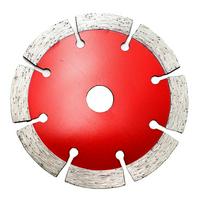
The segment is the block of diamond and metal bond around the blade's rim that does the cutting. Its height - the depth of that diamond layer - is how much material there is to wear away before the segment is spent. A taller segment has more diamond-bearing material, so all else being equal it can cut longer before it needs replacing. A shorter segment wears out sooner.
How it relates to life and value
Because life is what a buyer is paying for, segment height is a reasonable indicator of value - but only if the diamond is of comparable quality. A tall segment of poor diamond and a short segment of good diamond can end up costing the same per cut, with very different results. That is why height should be read alongside diamond quality and bond, not on its own. The real measure of value is cost per cut or per square metre, which includes how fast the blade cuts and how clean the finish is, not just how many cuts it makes.
A sintered turbo blade is an example where a deeper sintered layer is part of the value proposition for hard materials, alongside the blade's bond and rim design.
What segment height does not tell you
- Cutting speed: two blades with the same segment height can cut at very different rates.
- Finish quality: the segment shape and grit decide the finish, not the height.
- Bond behaviour: whether the blade glazes or keeps cutting depends on the bond, not the segment height.
- Core quality: a tall segment on a poor core can still fail early through a bent or cracked core.
- Suitedness: a long-lasting blade for concrete may be the wrong blade for tile, whatever its segment height.
For the deeper technical picture, see the bond matrix explained.
How segment height is used in practice
- Production cutting: a taller segment reduces the number of blade changes, which matters on long runs.
- Occasional use: a shorter segment is often enough and costs less, with no benefit lost.
- Hard, abrasive material: segments wear faster, so height is used up more quickly.
- Mixed use: a mid-height segment balances life against cost for general work.
Reading segment height as a buyer
- Compare height against the material you cut most: abrasive material justifies more height, occasional use does not.
- Ask about diamond quality and bond as well as height; the three work together.
- Calculate cost per cut over the blade's life rather than comparing purchase figures alone.
- Keep a reference from a blade you know, so a new product can be compared fairly.
- Check the segment is properly attached to the core - a weak joint fails before the segment is worn out.
For how segment and rim markings appear on a blade, see reading diamond blade labels.
Safety
Segment height is a life figure, not a safety one, but a worn blade still needs retiring before the segments reach the core. Inspect blades for missing or damaged segments, respect maximum RPM, keep the guard fitted and wear suitable PPE. Follow the manufacturer's instructions and never use a blade past its safe working life to make it last longer.
Segment height in short
- Height indicates how much diamond layer there is to wear - a rough guide to life.
- It does not tell you speed, finish or bond behaviour.
- Judge value by cost per cut, not height alone.
- Match height to the job - browse the diamond saw blade range.