
 ES
ESThe diameter of a diamond bit decides more than the size of the hole. As the bit gets bigger, the rim travels faster at the same spindle speed, the load on the tool climbs, and the clearance you need for water or dust grows with it. Choosing the right size is therefore about matching three things at once: the fitting that has to pass through the hole, the material, and the tool driving the bit.
Match the hole to the fitting, not the number
Start from what goes through the hole. A 6 mm bit is not chosen because 6 mm looks tidy; it is chosen because a fixing or sensor needs it. Work back from the fitting and add a small clearance for the sleeve, pipe or cable that has to sit freely inside:
- 6-12 mm: fixings, small sensor and cable entries, thin pipe.
- 20-35 mm: pipe outlets, shower arms, small valve connections.
- 35-68 mm: mixer valve bodies, larger pipework, recessed fittings.
- 68-150 mm: waste outlets, downlights, vents and larger ducting.
If the fitting is a tight metric size, choose the next nominal diameter up rather than forcing a bit that skims the wall - a hole that grips the pipe makes future maintenance harder and can crack brittle tile.
Bigger bit, slower spindle
Surface speed at the rim rises with diameter, so a large bit at the same RPM as a small one is doing far more work per second and generating far more heat. That is why the sensible RPM drops as the diameter grows. The bit itself should carry a maximum RPM rating - respect it, and on large diameters run well below it. If your grinder or drill has variable speed, large core bits are exactly when you use it.
Size and the tool you drive it with
Small bits spin happily on a grinder or a hand drill. As diameter increases, the tool needs more torque and steadier control, which usually means a core drill or a drill stand rather than freehand. A bit that walks on entry will chip the surface, and the bigger the bit the worse the damage. Match the thread as well: an M14 core drill bit screws onto a European grinder or polisher, while other tools take 5/8-11 or a chuck - see our thread compatibility notes before ordering.
Wall thickness and core depth
A core bit only drills as deep as its barrel is long. For thick walls, deep stone or where the far side must stay clean, you need enough barrel to pass all the way through in one go, or a technique that drills from both sides. Short bits are cheaper and fine for surface holes; long barrels cost more but avoid a second setup. Check the maximum drilling depth in the spec, not just the diameter.
Which sizes are worth owning
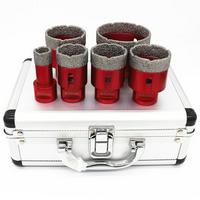
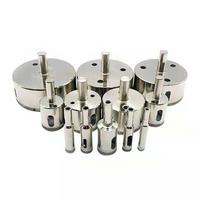
Most installers and fabricators settle on a core set rather than a dozen one-off bits. A 5 mm to 150 mm core bit range covers the whole spread, and a cased kit keeps the frequently used sizes together. Buy the sizes you actually drill every week, and borrow or add the rare large diameters only when a job needs them.
Safety
Larger bits mean more torque and more risk of a kick if the bit binds. Clamp the workpiece, use the tool's side handle, wear eye protection, a dust mask or respirator and hearing protection, and keep water supplied on wet cuts. Follow the manufacturer's RPM and feed guidance, and never override a bit's maximum speed to make a large hole faster - that is how crowns burn out and workpieces break.
Quick size checklist
- Measure the fitting and add clearance.
- Reduce RPM as diameter increases.
- Match thread (M14 / 5/8-11 / chuck) to the tool.
- Confirm barrel length covers the depth.
- Browse the diamond drill bit range to fill the gaps in your kit.