ES
Two engineered stone slabs can look identical and behave differently under the same blade. The variable is often not the quartz content but the polymer binder holding it together. Resin softens with heat, smears across the segment face, and changes how the tool wears.
What the resin does at the cut
Mineral aggregate fractures cleanly; polymer does not. Under a diamond segment it tends to soften, smear, and then re-adhere to the bond, loading the spaces between exposed grit. A loaded blade stops cutting and starts rubbing, which raises temperature and softens more resin. That feedback loop is why a cut can degrade quickly after a good start.
Resin-rich material also produces a distinct smell when overheated and a slurry that feels slick rather than gritty. Both are useful early warnings. Once the segment is loaded, extra feed pressure makes it worse; the remedy is to withdraw, clean or dress the blade, and restore cooling before continuing.
Tooling and process implications
- Continuous water feed. Keeping the interface cool matters more than raw flow volume; aim water at both sides of the blade near the entry point.
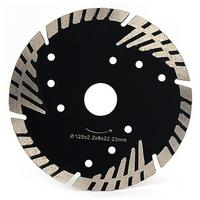
- Open segment geometry. Turbo or segmented profiles give somewhere for softened material to go.
- Moderate spindle speed and feed. Lower heat input is more valuable than a fast pass.
- Frequent cleaning. On long runs, plan to dress or clean the blade between sections rather than waiting for the cut to fail.
- Ventilation. Fumes from overheated resin belong outside the operator's breathing zone.
The heat buildup guide describes the thermal sequence, and the bond matrix explainer explains why a bond that works on natural stone may load on a resin-rich slab.
Silica and dust
Engineered stone can contain a very high proportion of crystalline silica. Dry cutting is not an acceptable workaround for heat or slurry problems. Use wet methods with proper containment and suitable respiratory protection, and keep the slurry out of drains. The slurry management guide covers collection.
Recognising a loaded blade
A loaded segment has a distinctive feel: the saw still sounds normal, but forward progress slows and the slurry becomes slick and warm. Holding the same feed at that point simply polishes more resin onto the bond.
Withdraw, inspect the segment face, and clean or dress it before continuing. On a long run it is worth scheduling a cleaning stop at a fixed interval rather than waiting for the symptom, because the first sign of loading is already past the point where cooling alone will recover the cut.
Choosing tooling
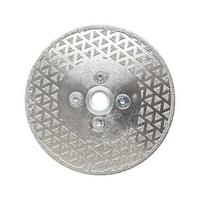
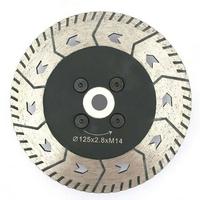
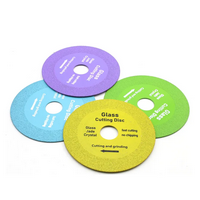
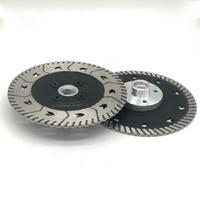
Look for blades specified for engineered stone or quartz rather than general granite. In the cutting disc category, a sintered turbo blade gives an open segment profile, while a double-sided cutting and grinding disc can handle the light edge cleanup that often follows a long cut.
Keep the guard fitted, wear eye protection, hearing protection, and a respirator rated for the exposure, and use an RCD-protected supply for wet cutting. Confirm rated rpm and isolate the tool before changing blades.