
 ES
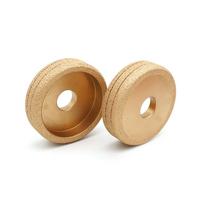
A diamond router bit is one of the more expensive tools in a stone shop, and most of them fail early for reasons that have nothing to do with the diamond. Heat, contamination, poor storage and forcing the cut are what end a bit's life, and all four are habits the operator controls. A little maintenance routine turns a bit that lasts a few jobs into one that lasts many.
Keep it cool - always
Heat is the single biggest killer of a brazed or sintered bit. The bond that holds the diamond degrades when the bit runs too hot, and once the diamond is lost it cannot be replaced. That means a constant water feed on every cut, no dry runs, and no forcing the bit to cut faster than it wants to. If the bit and the stone are getting hot, stop and check the water before continuing.
Clean it properly after use
- Rinse slurry off the bit as soon as the job ends; dried slurry packs the profile and hides damage.
- Use water and a soft brush rather than a wire brush, which can knock diamond off a fine edge.
- Dry the bit before storing it, so it does not rust the steel body or the thread.
- Check the profile is clear - a bit clogged with cured stone cuts badly and overheats.
Store it so the edge survives
- Keep bits in their cases or in separate compartments; a diamond edge knocks against steel and chips.
- Protect the shaped profile especially - it is the part that cannot be repaired.
- Store in a dry place; damp air rusts the body and the thread over time.
- Keep the thread clean and lightly protected so it does not seize in the machine.
Inspect before every job
- Look for missing, chipped or rounded diamond on the profile.
- Check the body for cracks or bends that would make it run out of true.
- Check the thread for damage so it seats properly in the tool.
- Spin the bit by hand to feel for imbalance before running it under power.
- Retire a bit when the profile stops cutting cleanly - a blunt bit burns the stone and costs more in wasted material than a new bit costs.
Technique is maintenance
- Cut in staged passes rather than forcing the full profile in one go.
- Keep the bit moving; dwelling in one spot builds heat and takes the edge off the profile.
- Match the speed to the bit and the material rather than always running flat out.
- Support the workpiece so the bit is not fighting vibration.
- Match the bit to the material - the right bit used well lasts, the wrong bit fails early.
For the related habits that keep any shaping tool alive, see reducing vibration when using stone profiling tools and vacuum brazed router bits for stone profiling.
Know when to repair and when to replace
A bit with a partially damaged profile can sometimes be re-shaped or a worn brazed layer re-tipped, but a bit whose steel body is cracked or bent is a write-off. Compare the cost of repair against replacement honestly - a bit that fails mid-job costs more in downtime and wasted stone than any saving.
Safety
Wear eye protection, a dust mask or respirator and hearing protection, use water to control dust and heat, and keep water away from electrical connections with an RCD or GFCI. Secure the bit properly in the tool, check it is tight before running, respect the tool and bit speed ratings and follow the manufacturer's instructions. Never run a damaged or unbalanced bit - it can fail violently.
Maintenance in short
- Keep it cool, keep it clean, keep it stored properly.
- Inspect before every job and retire a blunt bit early.
- Technique matters as much as care: stage the cut, keep moving.
- Browse the grinding and profiling range to match bits to the job.