ES
Diamond tools sit across several tariff headings because the classification follows the product, not the material in it. A blade with a steel body and a diamond rim is not classified the same way as a diamond grinding wheel without a framework, and a buyer who assumes one code for a mixed shipment will spend time in clearance.
Why classification is not one code
Customs classification looks at what the tool is, how it works, and whether it has a body or framework. Products in the same catalogue can fall under different headings, and the difference affects duty rates and documentary requirements.
Typical groupings include circular saw blades with a working part of diamond or other hard material, grinding and polishing wheels and similar products, and drilling or boring tools. The exact heading depends on the item.
This is general guidance, not a ruling. Classification is a legal determination, and the responsible route is to confirm the code with a customs broker or the importing country's tariff authority before shipping.
Documents that are usually needed
- Commercial invoice with a clear, specific description of each item, not a generic "diamond tools".
- Packing list showing cartons, dimensions, weights, and marks.
- Bill of lading or airway bill matching the invoice and packing list.
- Certificate of origin where a preferential rate or origin rule applies.
- Product specification sheet where the description is technical enough to require it.
Where the goods contain synthetic diamond, some jurisdictions require additional declarations. Check the destination requirements rather than assuming the origin side covers them.
Where clearance stalls
The most common problem is a vague invoice description. "Diamond tools, 500 pcs" tells a customs officer nothing about classification, and the shipment is held while the description is clarified.
The second is a mismatch between documents: the invoice says one quantity, the packing list says another, and the bill of lading says a third. Consistency across documents is not optional.
The third is an incorrect declared value to reduce duty. That is a compliance risk, not a negotiation tactic, and it can affect insurance and future shipments.
Duty and landed cost
Duty rates vary by destination and by classification. Landed cost also includes freight, insurance, port charges, and inland transport, and those can move more than duty does on a small shipment.
Build the landed cost before you compare suppliers. A lower unit price with a slower route and higher port charges may not be lower at the warehouse.
Practical preparation
Ask the supplier for a specification sheet per item, with dimensions, working-part material, and intended use. Give that to the broker before the first shipment so the classification can be confirmed in advance rather than at the port.
Keep the classification decision on file. If the same item ships repeatedly, a documented decision prevents re-arguing the code every time.
Tooling references
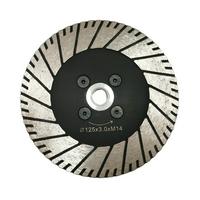
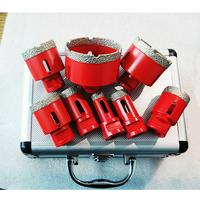
For product description purposes, the diamond saw blade category and the diamond drill bit category cover the main groupings. A porcelain tile blade and a granite circular blade illustrate how similar products can describe differently on an invoice.
Two related reads: the wholesale import checklist, and OEM specifications to confirm before ordering.
Safety and compliance note
Customs documents do not certify that a tool is safe. A cleared shipment can still contain blades that are unsuitable for the machines they will run on. Keep the technical checks separate from the paperwork: match the blade's rpm rating and dimensions to the machine before the goods reach the workshop, confirm the guard fits, and put eye protection and hearing protection on the list of things the end user should already have.
For specification sheets and product descriptions to support classification, contact our team with the item list.