ES
A short cut from a scaffold is still a short cut, but the consequences of a dropped tool, a snagged hose, or a sudden reaction force are very different from the same cut at ground level. Most of the planning is about what surrounds the tool rather than the blade itself.
Three hazards the tool adds
Falling objects come first. Blades, offcuts, cores, and loose fasteners all leave the work position easily, and a cut piece can drop before the operator realises it has separated. Tool lanyards, toe boards, and a controlled exclusion zone below are part of the setup, not optional extras.
Reaction force is second. A grinder that binds at height has nowhere for the operator to step back, and a stand-mounted rig transfers load into the scaffold rather than into a slab. Check that the working platform is rated for the machine and for the force it can apply, and anchor the rig to a structural point rather than to handrails or temporary boards.
Hoses and cables are third. A water line or power cord hanging over an edge can catch, pull the tool, or trip someone on the platform. Route them along the platform and secure them at short intervals, with enough slack for the operator to move but not enough to form a loop near the blade.
Setup checks
- Secure the workpiece. Anything being cut free must be independently supported or lowered under control.
- Use a tool with a lanyard point and attach it before the platform is occupied.
- Keep both hands available. A water bottle or slurry tray balanced on a rail is not a workable setup.
- Plan for slurry. Wet cutting at height sends water onto the level below; contain it and protect anyone working there.
- Check the exit route. The operator needs a clear way back from the work position with the tool isolated.
The angle grinder safety checklist covers the machine checks; the height-specific controls belong in the site's access plan. Where a cut is needed early in a pour or on a slab edge, the green concrete cutting guide explains the timing constraint that often puts crews on a platform in the first place.
When to change the method
If the setup cannot provide a stable stance, a secure anchor, and a clear exclusion zone, change the method rather than working around it. Prefabricating the piece at ground level, using a stand-mounted rig from a lower level, or extending a water-fed tool from a secure platform are all preferable to a freehand cut from a ladder.
Tooling and safe practice
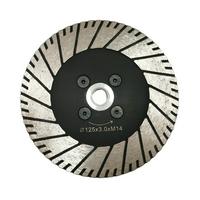
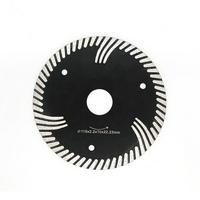
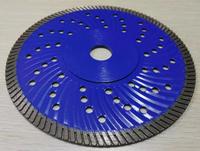
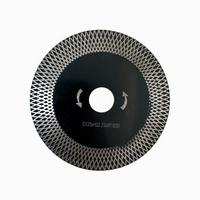
Compact, light tooling reduces fatigue at height. Browse the cutting disc category for smaller-diameter options: a thin glass and ceramic cutting disc puts less reaction into the operator than a large segmented blade, and a double-sided cutting and grinding disc can avoid a second tool change on the platform.
Wear eye protection, a face shield, hearing protection, and a respirator rated for the exposure, keep the guard fitted, and use an RCD-protected supply for wet work. Confirm rated rpm and isolate the tool before any change of accessory.