
 ES
Asphalt is not concrete with a different colour. The binder is viscoelastic, the aggregate is angular, and the material behaves differently depending on temperature. A blade that performs well on a cured concrete slab can load up and stall in asphalt within a meter.
Why asphalt needs a different blade
Two properties drive the choice. First, asphalt binder softens with heat, so the cut produces a sticky, semi-liquid residue rather than a dry powder. Second, the aggregate is hard and sharp, which wears a bond faster than the cement matrix in concrete.
The practical result is a blade with a hard bond and open gullets — enough clearance to throw binder and chips out of the kerf instead of packing them in. Blades marketed for green concrete and asphalt usually share this geometry for the same reason.
Hot versus cold asphalt
Freshly laid asphalt is easier to cut but messier. The binder smears, the kerf closes behind the blade, and the cut edge can slump after the saw passes. Cold asphalt is harder, more abrasive, and tends to chip at the edges, especially in winter.
On hot mix, slow the feed and keep the blade moving. Dwelling in one spot melts binder onto the segment, and once the segment is coated it stops cutting and starts burnishing.
Depth: cut the asphalt, not the base
Patch repairs usually call for a full-depth cut through the asphalt layer, stopping at the base course. Cutting into the base is slow, wears the blade unnecessarily, and makes it harder to compact the patch to the right thickness.
Knowing the layer thickness before you start is the difference between a clean cut and an expensive one. Core a small sample or check the construction records. Where thickness varies across a trench, set the depth to the shallowest point and accept a partial cut on the deeper sections rather than burying the blade in base material.
Overcutting and joint quality
The vertical face of the cut is what the new patch keys against. A ragged face with loose aggregate will not hold a joint, no matter how good the tack coat is.
Overcut the corners slightly where a rectangular patch meets existing asphalt — the extra 25 to 50 mm at each corner gives the joint a clean vertical edge instead of a rounded corner that breaks down under traffic. This is one of the few places where cutting beyond the marked line is correct.
Water or dry
Dry cutting is common on road repairs because water and slurry on a live carriageway create their own hazards. Dry cutting generates dust and heat, so a blade with good gullet clearance and a machine with adequate airflow matters.
Wet cutting gives a cooler blade and a cleaner kerf, and is often preferred for larger patches or for asphalt containing silica-bearing aggregate. If you cut wet, contain the slurry — it is not permitted to run into drains in most jurisdictions.
Common field problems
- Blade glazing. Binder melts onto the segment. Reduce feed pressure and check that the blade is rated for asphalt rather than cured concrete.
- Wandering cut. Usually a worn blade or too much downforce on a handheld saw. Score a guide line and let the blade find its own speed.
- Ravelled edges. Cold, brittle asphalt cut too fast, or a blade with too coarse a diamond.
- Stalling. Feed rate higher than the saw's power can support. Asphalt rewards steady, moderate feed.
Matching the blade to the work
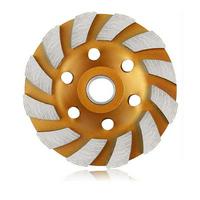
For patch repair, start from the diamond saw blade range and select by bond and gullet design. A general concrete and asphalt blade covers most patch work, while a turbo-rim blade is easier to control on shallow, straight utility cuts.
Two related reads: heat buildup in diamond cutting explains the glazing mechanism on hot mix, and reducing noise and vibration is relevant for residential street work.
Safety on a live road
Traffic management comes before the saw. Beyond that: eye protection and a face shield for flying aggregate, hearing protection, and a respirator when cutting dry. Keep the guard fitted, match blade RPM to the saw, and never cut with the blade above waist height on a handheld machine.
If you are setting up a patch program and need blade specifications for the asphalt types and thicknesses on your network, send the details and we will confirm what fits.