ES
An expansion joint repair has to be cut to a defined width and depth, in a deck that is usually heavily reinforced, within a possession or lane-closure window that will not be extended. The margin for a wandering cut or a stalled saw is small.
Set the geometry first
The joint design determines the cut width, the depth, and the profile of the repair material. Measure existing sound joints on the same deck if the drawing is ambiguous, and mark both cut lines before any blade turns. A repair that is cut too narrow leaves the new material unable to move with the deck; one cut too deep risks the reinforcement and the waterproofing layer below.
Depth control is more reliable with a guide shoe or a fixed stop than by eye, especially on a long transverse run. Two staged passes with a full withdrawal between them keep the blade cool and the line straight; the crack chasing guide describes the same logic on a smaller scale for sealant joints.
Working with the deck
- Scan for reinforcement and tendons. Post-tensioned decks in particular require a clear survey before cutting.
- Expect variable concrete. Old repairs, overlays, and patches alter resistance along the cut line and can steer the blade.
- Control water and slurry. Runoff from a bridge deck cannot simply be washed away; contain and collect it.
- Plan the power and water supply. Long leads and a distant water source cost time inside a short closure.
- Keep a spare blade on site. A damaged blade at hour two of a four-hour window ends the shift.
Where the deck includes a fresh overlay or a recently placed repair, the green concrete cutting guide explains why the timing of the cut matters more than the blade choice.
Sequence inside the window
Set up and test the water feed, guide, and depth stop before the closure starts. Cut the two edge lines first, then remove the material between them, then clean and inspect the exposed faces. Leave time for the unexpected: a denser patch or an unexpected bar costs minutes that cannot be recovered at the end of the possession. Record the depth at several points along the run before the repair material is placed.
After the cut
Clean and inspect the exposed faces before the repair material is placed, and record the depth at several points along the run. Protect the fresh repair from traffic and from water until it has reached the condition the product requires. A well-cut joint still fails early if the opening is reopened before the material has gained enough strength.
Tooling and safe practice
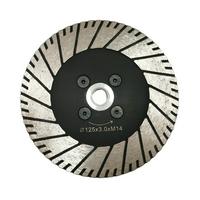
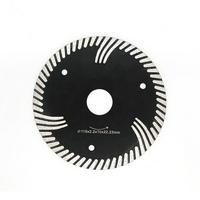
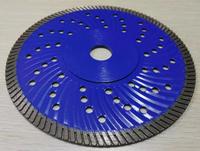
Browse the diamond saw blade category for blades suited to reinforced concrete. A segmented general-purpose blade handles staged passes in cured deck concrete, and a sintered turbo blade is an option where dense aggregate dominates.
Keep the guard fitted, wear eye protection, hearing protection, and high-visibility clothing, and use an RCD-protected supply for wet cutting. Confirm rated rpm, maintain dust control or slurry containment, and isolate the tool before changing a blade.