
 ES
A catalogue that lists products by name and photograph works until a customer asks for the same blade with a different bore. At that point the missing fields become phone calls, wrong shipments, and returns. The structure of the SKU is what prevents that.
Start from the decision the buyer makes
A buyer chooses a diamond tool by material, machine, diameter, mounting, and bond or grit. Those are the attributes that should be visible and filterable. Marketing descriptions and product names can stay readable, but they should not carry specification information that a filter needs.
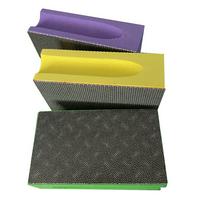
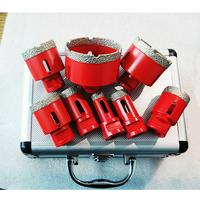
For saw blades, the core fields are diameter, bore or thread, segment height and type, bond designation, intended material, wet or dry use, and maximum operating speed. For polishing pads: diameter, grit, bond type, backing, and recommended speed. For core bits: diameter, length, shank or thread, segment type, and intended material. Keep the field names identical across families wherever the meaning is the same.
Designing the code
- Use a stable, meaningless base. A sequential or category-based number avoids encoding attributes that later change.
- Keep attributes as fields, not buried in the code. A code that encodes diameter breaks when a new diameter appears.
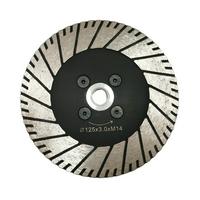
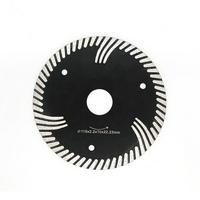
- Define each variant explicitly. A 125 mm blade with a 22.23 mm bore and the same blade with an M14 hub are two SKUs.
- State units. Millimetres, inches, and rpm should never be ambiguous in a shared catalogue.
- Version the data. When a specification changes, record what changed and when, rather than silently overwriting it.
The OEM specification guide lists the fields that usually need to be agreed with a supplier, and the quotation guide shows where missing detail creates ambiguity in pricing.
Connecting catalogue to physical stock
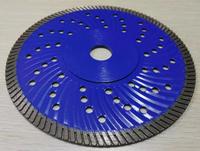
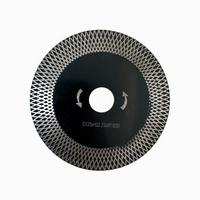
The SKU on the catalogue, the purchase order, the bin label, and the invoice should be the same string. Where a product is sold as a kit, decide whether the kit and its components have separate SKUs and make that rule explicit. Photographs should show the actual variant, or state that the image is representative, especially for bore and segment geometry.
Keeping it maintainable
Assign one person to approve new SKUs. Without that, the same blade appears three times under slightly different names within a season. Review the attribute list annually against the questions customers actually ask, and retire discontinued variants rather than leaving them visible with no stock.
Photographs that match the variant
Where a family shares one image, state that the image is representative and make the differences visible in the attributes. A buyer choosing between a plain bore and a threaded hub should not have to infer it from a photograph. Where the geometry differs, a separate image for each variant removes the most common source of a wrong shipment.
Tooling and safe practice
Browse the tile tools category for a compact family to use as a pilot. A tile cutting blade and a backer pad have very different attribute sets, which makes them a useful test of whether the field structure is genuinely flexible.
When demonstrating products, confirm rated rpm, keep the guard fitted, and wear eye protection and hearing protection. Isolate tools before changing accessories.