ES
Comparing supplier quotations is usually harder than it should be, because the documents are not describing the same thing. One quote is per piece, another per carton, a third includes packaging but not the printing. The number at the bottom is not comparable until the line items are.
Specification is the first line
A usable quotation identifies the product precisely: diameter, bore, segment height, segment type, and the intended material. Without those, you are comparing a category, not a product.
Where the item is customised, the drawing number or the approved sample reference should appear. A quote that refers to "as discussed" is not a document you can enforce.
Unit, quantity, and price basis
State the unit explicitly: per piece, per set, per carton, per pallet. State the quantity the price applies to, and what happens at a different quantity. A price that is valid only for one container is not a price list.
Currency and the exchange-rate basis matter on a quote that is valid for months. If the price is fixed in one currency and your costs are in another, the risk is yours unless it is addressed.
What should be itemized
- Product specification per item, including dimensions and segment details.
- Quantity and unit, with the price break structure.
- Packaging: inner box, outer carton, printing, and whether private label artwork is included.
- Tooling or setup charges for custom segments or printed packaging.
- Incoterm and named place, so freight responsibility is clear.
- Lead time from deposit or from order confirmation, stated precisely.
- Payment terms, including deposit percentage and balance conditions.
- Validity period and the conditions that void it.
- Minimum order quantity per item, not just per order.
- Warranty or claim terms, or a reference to them.
The omissions that cause disputes
Packaging is the most common omission. A quote that includes a plain carton and a quote that includes printed colour boxes are not the same price, and the difference appears after the order is placed.
Lead time is the second. "30 days" without a start point is not a commitment. Ask whether it runs from deposit, from artwork approval, or from order confirmation.
Tooling charges are the third. A custom segment or a printed carton usually carries a one-time cost, and a quote that omits it will add it later.
Comparing landed cost
Convert every quote to a landed cost at your warehouse: goods, packaging, freight, insurance, duty, and inland transport. Then divide by the number of units that will actually be usable.
This is where a cheaper blade with a higher damage rate stops being cheaper. Our guide to cost per cut covers the in-service comparison.
Tooling references
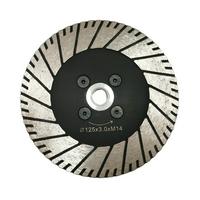
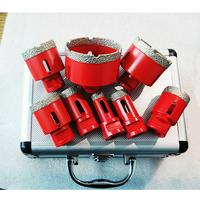
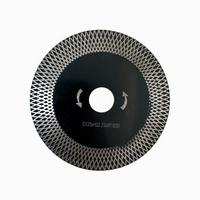
For item-level comparison, the diamond saw blade category lists the product types. A porcelain tile blade and an M14 sintered core bit show how many specification fields a single line item needs.
Two related reads: OEM specifications to confirm, and evaluating cost per cut.
Safety note
A quotation is a commercial document, not a technical approval. Before the order is placed, confirm the speed rating, dimensions, and intended application for each item, and check that the packaging will protect the product in transit.
If you need a specification sheet to attach to a quotation request, contact our team with the item list.