
 ES
The same grinder that is straightforward in an open yard becomes a different job inside a pit or a small plant room. Dust accumulates, heat builds, the operator has limited room to move, and the exit route may be behind the work. Planning the space matters as much as planning the cut.
Ventilation is the first control
Supply clean air and extract contaminated air at the point of generation. A fan blowing across the room without a defined flow path tends to stir dust rather than remove it. Position extraction close to the cut, direct replacement air so it passes the operator before reaching the work, and keep the exhaust away from the intake.
Where the material contains crystalline silica, the fine fraction remains airborne long after the visible cloud settles. The dust control guide covers extraction at the tool; in an enclosed space that local capture has to be paired with room-level ventilation and, on higher-risk work, with air monitoring.
Equipment and access
- Prefer wet methods where practical. They suppress dust at source, but require a plan for slurry removal and for electrical protection.
- Choose shorter, lighter tools. A long hose or cable in a restricted space becomes a snag and a trip hazard.
- Keep the exit clear. Route hoses, cables, and slurry containers so they do not cross the only way out.
- Plan extraction equipment placement. An extractor inside the space takes up room and can recirculate fines if its filter is not suitable.
- Check lighting and footing. Wet slurry and poor light together are a common cause of incidents on this work.
Permits and people
Formal confined space procedures, atmospheric testing where required, and a designated person outside the space are part of the setup on many sites. Cutting adds ignition sources, dust, and noise to a space that may already have restricted access, so the method statement should cover the cutting activity specifically rather than relying on a generic entry permit. The angle grinder safety checklist is a starting point for the tool side, not a substitute for the site procedure.
After the cutting stops
Keep ventilation running after the tool is switched off; the fine fraction is still airborne. Vacuum the work area and the surroundings before anyone enters without respiratory protection, and reinstate any detection or alarm that was isolated under the permit. Record what the airflow checks showed, so the next entry into the same space starts from a known setup rather than a fresh guess.
Practical sequence
Set up ventilation and confirm airflow before any tool is switched on. Test the extraction with a short cut, then stop and check whether dust is reaching the operator's breathing zone. Keep the work in short sections with breaks, because heat and fatigue build faster in an enclosed space and both affect how steadily the feed is held.
Tooling and safe practice
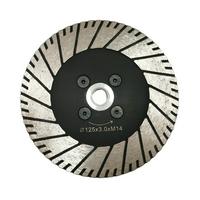
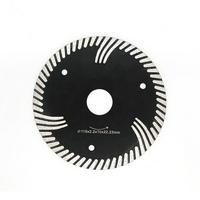
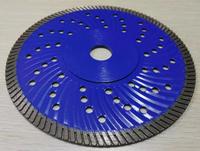
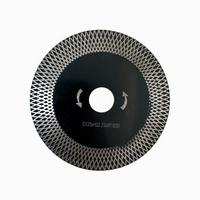
Browse the cutting disc category for compact setups. A double-sided cutting and grinding disc can reduce the number of tool changes in a restricted space, and a tile-specific blade keeps dust and feed demands lower on small-format work.
Wear eye protection, hearing protection, and a respirator rated for the exposure, keep the guard fitted, and use an RCD-protected supply for wet work. Confirm rated rpm and isolate tools before changing accessories.