
 ES
A core bit that has lost part of a segment is often labelled defective. Sometimes it is. More often the wear pattern is a readable record of what happened down the hole: a bind, a reinforcement strike, a loss of water, or a rig that was allowed to run out of alignment.
Read the whole circumference
Take the bit off, clean it, and look at all segments together. Even, gradual wear around the full ring is normal service life. One segment worn much further back than the others points to a localised event, such as hitting steel at an angle. Damage concentrated on the leading edges suggests excessive feed or a sudden change in material. A shiny, smoothed face with little diamond exposed is glazing from insufficient cooling or too light a feed.
Check the barrel too. A scored or oval barrel says the bit has been running out of true, which redistributes load unevenly and can strip a segment even when the drilling parameters were reasonable. The retirement criteria guide sets out when a damaged bit should leave service.
Conditions that strip segments
- Binding in the hole. A sudden torque spike loads one segment far beyond its design; the reinforcement drilling guide covers the most common trigger.
- Lost water. Without cooling, the braze or sinter joint softens and the segment can detach.
- Too much feed at low speed. The bit is forced into the material rather than allowed to cut.
- Loose stand or worn spindle. Runout makes the bit rock in the hole and prises at the segments.
- Core jam. A broken core left in the barrel rubs against the inside of the segments from the other direction.
What to change next time
Do not simply fit a new bit and repeat the same settings. Note the depth at which the damage occurred, the material being cut at that depth, and what the slurry looked like just before the sound changed. Reduce feed at material transitions, confirm water flow at the start of every extension, and clear the core from the barrel before restarting. Where reinforcement is expected, use a lower gear and steady cooling through the steel zone.
Reading the core as well
The extracted core carries the same information. A core with a tapered or scored side suggests the bit was rocking in the hole; a broken, jammed section explains a rubbing mark on the inside of the barrel. Lay the core beside the bit after a failure and compare the two before deciding whether the cause was the tool, the rig, or the material at that depth.
Tooling and site practice
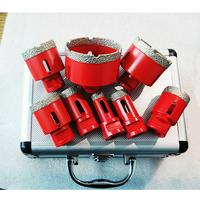
Bit construction affects what the wear pattern looks like. A sintered M14 core bit and a wide-diameter vacuum brazed bit have different segment geometries, so learn the normal appearance of each before treating a change as a fault.
Browse the diamond drill bit category for diameters and segment types. Anchor the stand before drilling, keep cooling water flowing, wear eye protection and hearing protection, and isolate the rig before inspecting or changing a bit.