ES
Dust extraction is usually judged by whether the extractor is switched on. What matters is whether the shroud is capturing the fines at the point where they are produced, and whether the airflow is still adequate after the filter has been working for an hour.
Airflow is a system property
Manufacturers quote a free-air flow figure measured with a clean filter and no hose attached. In use, a long narrow hose, a clogged filter, a poorly sealed shroud, and several bends all reduce actual airflow at the tool. A system that starts adequate can fall below useful capture before the first break.
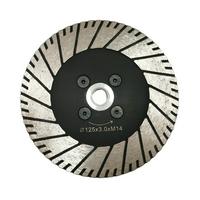
Rather than matching a single number, think in terms of the volume of dust being generated. A 100 mm cup wheel grinding a coating produces a steady stream of fine material across a narrow band. A planetary grinder with multiple floor grinding blocks generates far more, across a wider shroud that has to seal against an uneven surface.
Hose diameter and velocity
A narrow hose needs a higher air velocity to carry the same volume, and higher velocity means more pressure loss. Oversizing the hose slightly reduces losses and lowers the chance of settling and blockage, but a hose that is too large becomes awkward on a handheld tool. Select the hose to suit the tool's outlet and the extractor's inlet, and keep the run as short and as straight as the job allows.
Filtration and cleaning
Respirable crystalline silica is the reason filtration matters more than visible cleanliness. Fine particles stay airborne, pass through coarse filters, and are the fraction that occupational exposure limits address. A suitable filter class, a sealed housing, and a cleaning mechanism that works during operation all matter. Automatic filter cleaning keeps airflow steadier than a machine that has to be stopped and shaken out.
The dust control guide for concrete grinding covers the practical setup around the tool. This article is about choosing the equipment behind it.
Shroud fit changes everything
- Seal against the surface. A brush skirt or flexible lip follows minor undulations; a rigid shroud loses suction over every ridge.
- Coverage at the cut line. On saws, the shroud must reach the point where the blade exits the material, which is where most fines are thrown.
- Compatibility with the guard. An extraction shroud is additional to the tool guard, not a replacement for it.
- Wet work. Wet slurry and a dry extractor are a bad combination. Use a wet-rated unit or contain the slurry instead.
Checks that catch a weak setup
Watch the hose while the tool is cutting: a pulsing or collapsed hose points to blockage or insufficient diameter. Check for a visible dust plume at the shroud edge, and check the filter pressure or suction at the start and end of a shift. A noticeable drop means the cleaning cycle is not keeping up.
Review the grinding tools category when matching shrouds to disc diameter, and revisit the angle grinder safety checklist whenever a shroud changes how the tool is held. Wear a respirator rated for the exposure even with extraction running, keep eye and hearing protection on, and isolate the extractor before emptying it.