
 ES
Wet cutting suppresses dust and cools the blade, and it puts a conductive liquid within reach of a mains-powered tool. The controls are straightforward, but they have to be in place before the water is turned on rather than discovered during the job.
What an RCD does
A residual current device compares the current going out on the live conductor with the current returning on the neutral. If some of it is leaking to earth, possibly through water and a person, the device disconnects the supply quickly. It is a protective backstop, not a licence to work with damaged cables or an unsuitable tool.
Use a device with a rating appropriate to the circuit and test it with its built-in test button before the work starts. Plug a portable unit into a protected socket where one is available rather than assuming the site distribution already includes the right protection. Check the device again after any change to the setup, such as moving to a different supply or adding a pump.
Controls around the supply
- Keep connections off the ground. Use stands or hangers so plugs and couplers cannot sit in slurry.
- Use connectors rated for the conditions. Check the rating rather than relying on a general-purpose extension lead.
- Route cables away from the cut line. A hose and a cable should not cross at the operator's feet.
- Match the lead length and size to the load. Long, light leads cause voltage drop and heat, and reduce the torque available at the tool.
- Keep the pump on its own protected circuit. A pump fault should not take out the tool's protection, or the reverse.
The water cooling guide for core drilling covers the supply layout, and the angle grinder safety checklist covers the tool checks. Both assume the electrical side is already sorted.
Checks that belong in the method statement
Record the device used, the test result, the supply point, and who checked it. Confirm the tool is rated for wet use and that its ventilation openings, switch, and cable entry are intact. Water should be flowing and contained before the tool is energised, and the tool should be isolated before nozzles, hoses, or blades are adjusted. If the RCD trips, treat it as a fault to find, not as a nuisance to reset repeatedly.
Generator and temporary supplies
On a site fed from a generator or a temporary distribution board, confirm the earthing arrangement and where residual current protection sits before plugging in a wet-cutting setup. A portable RCD at the tool is useful, but it does not replace correct protection at the source. Have the supply checked by a competent person rather than assuming the arrangement used for dry tools will transfer unchanged.
Tooling and safe practice
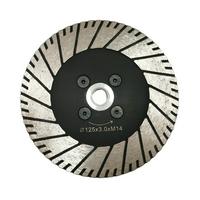
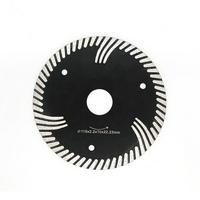
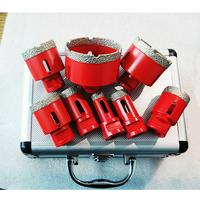
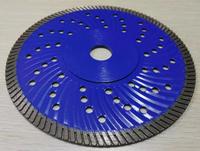
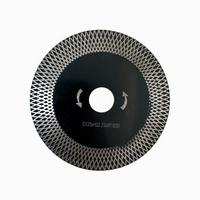
Browse the diamond drill bit category for bits suited to wet rig work. A vacuum brazed core drill set on a handheld rig and a segmented saw blade used with a water feed both depend on the same supply precautions.
Wear eye protection, hearing protection, and insulated gloves, keep the guard fitted, and confirm the tool's rated rpm against the accessory. Isolate the supply before changing a bit or blade, and keep the work area free of standing water around connections.