
 ES
Diamond cutting is usually discussed as a dust and noise problem. On refurbishment work it is also an ignition problem: steel being cut, sparks from a disc, and a hot blade can all reach cavities, insulation, or materials that are not visible from the work position.
When a permit is needed
Site rules vary, but the trigger is consistent: any operation producing heat, sparks, or flame in an area with combustible materials, or near an opening through which sparks can travel, is normally treated as hot work and needs a permit before it starts. That includes work with an angle grinder fitted with a cutting disc, not just welding.
The permit is a check that someone has looked at the surroundings. Walk the area below and behind the cut, including floor voids, service penetrations, and the other side of a wall. Sparks travel further than most people expect and can sit smouldering in insulation for a long time before showing up.
Controls before the cut
- Remove or shield combustibles. Move what can be moved; cover what cannot with a suitable non-combustible blanket.
- Seal openings. Block penetrations and gaps so sparks cannot drop into a void.
- Isolate detection if authorised. Only under the site procedure, and reinstate it afterwards.
- Have extinguishing equipment to hand. Checked, appropriate to the materials, and within reach of the operator.
- Assign a fire watch. During the work and for the period specified afterwards, including a check of the spaces behind the cut.
Wet cutting reduces sparks but introduces slurry and electrical considerations; the slurry management guide covers containment, and the angle grinder safety checklist covers the tool itself.
Choosing a lower-risk method
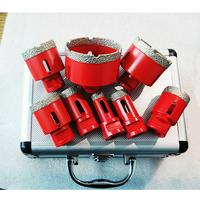
Where the material allows, a diamond core bit or a wet saw produces fewer sparks than an abrasive disc on steel. Separating the cutting operation from the area with combustibles, or cutting a component off-site, may be simpler than building a control plan around a confined, occupied space. Decide that before the permit is written, not after the first spark.
Closing out the permit
The fire watch does not end when the grinder stops. Inspect the spaces behind and below the cut, including any void a spark could have entered, and keep watching for the period the site procedure specifies. Reinstate any detection that was isolated, return shielding and extinguishers, and sign the permit closed only after that inspection has been recorded.
Tooling and safe practice
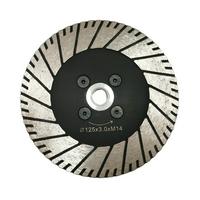
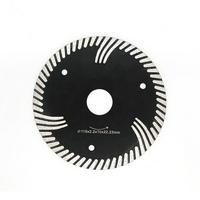
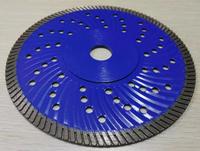
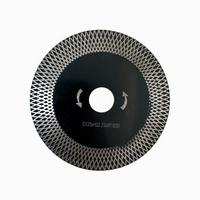
Browse the diamond saw blade category for blades matched to the material, since a blade that is rubbing because the bond is wrong generates more heat than one that is cutting cleanly. A double-sided cutting and grinding disc covers a wide range of site tasks, and a segmented concrete blade is the right choice for masonry rather than an abrasive wheel.
Wear eye protection, a face shield, hearing protection, and a respirator rated for the exposure, keep the guard fitted, and maintain dust control. Confirm rated rpm, isolate the tool before changing a blade, and follow the site's permit and fire watch procedure without exception.