ES
Visible dust is the easy part. The particles that drive occupational exposure limits are far smaller, stay in the air longer, and are produced in quantity whenever a diamond tool meets concrete, mortar, stone, or engineered stone. Managing them is a control problem, not a cleaning problem.
Why the fine fraction is different
When a diamond segment fractures aggregate, it produces a wide range of particle sizes. Coarse chips fall nearby; the respirable fraction stays suspended and can be carried well beyond the work area. It is also the fraction that a standard coarse filter or a workshop sweep will not deal with. A site can look reasonably tidy while airborne levels remain high.
Materials with a high silica content, including many engineered stone products, deserve particular attention. The same cutting method can generate very different exposure depending on what is being cut, which is why a control plan should be written for the material rather than for the tool alone.
Layering the controls
- Eliminate or reduce at source. Wet cutting with a steady, well-directed water feed suppresses dust before it becomes airborne.
- Local extraction. Where wet methods are not possible, a close-fitting shroud and an extractor with an appropriate filter class, sized for the airflow the tool needs.
- Containment and separation. Keep the cutting zone away from other trades and from finished areas; use sheeting or a dedicated bay on interior work.
- Housekeeping. Vacuum or wet cleanup only. Compressed air and dry sweeping put the fine fraction straight back into the air.
- Respiratory protection. Selected for the exposure, fit-tested, and used as the last layer rather than the only one.
The dust control guide for concrete grinding covers shroud and extractor setup in practical terms, and the angle grinder safety checklist covers the tool-side checks.
Controls that quietly stop working
A clogged filter, a shroud whose brush skirt has worn back, a water nozzle nudged out of alignment, or a hose with a split all reduce protection without producing an obvious failure. Check airflow at the start and end of a shift, inspect the shroud at each tool change, and confirm water reaches the cut face before the blade touches the material. Where exposure is being assessed formally, air monitoring is the only way to confirm that the controls are achieving what the plan assumes.
Planning the job
Write down the material, the method, the containment, and the cleanup route before starting. Include anyone working nearby, not just the operator: on an occupied site the person most exposed is sometimes the one sweeping up two metres away. Keep records of the equipment used and the checks made, so a repeated job can be set up from a known method rather than from memory.
Tooling and safe practice
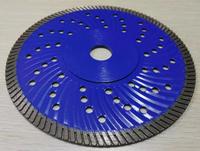
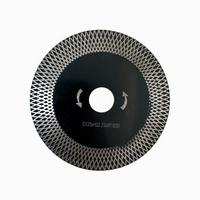
Browse the grinding tools category for discs that suit shrouded work. A 100 mm cup wheel with a fitted shroud and a segmented saw blade used wet are two very different control setups, and each needs its own plan.
Wear eye protection, hearing protection, and a respirator rated for the exposure, keep the guard fitted, and isolate tools before changing accessories. Confirm rated rpm and follow the tool maker's instructions for any wet work.