ES
On a core drilling rig, the water returning from the hole is the only continuous view the operator has of the cutting zone. Its colour and thickness change as the bit moves through different layers, and those changes arrive before the sound or the feed rate does.
Reading the colour
Grey, fine slurry usually means cement paste and fine aggregate. A coarser, gritty grey suggests a harder aggregate that is being fractured rather than simply washed out. A reddish or brown cast can indicate brick, terracotta, or rusting steel. A dark, almost black return often appears when the bit meets reinforcement, a bituminous layer, or an old membrane.
A sudden shift is more informative than the colour itself. It means the bit has crossed an interface: a topping over the structural slab, a void, a different pour, or embedded steel. Reduce feed at that point and let the bit establish itself in the new material rather than maintaining the previous pressure. The reinforced concrete drilling guide describes how to handle the steel transition.
Reading the consistency
- Thin and free-flowing. Water is reaching the segments and carrying fines away. This is the baseline for a healthy wet cut.
- Thick and paste-like. Flow is too low for the amount of material being removed, or the kerf is packing. Increase flow or withdraw to clear the hole.
- Gritty with visible chips. The bit is fracturing aggregate; check that the segments are not being overloaded by excessive feed.
- Suddenly clear. Water may be bypassing the cutting face through a void, or the flow has increased while the bit has stopped cutting.
When the return stops
A lost return is a stop-work signal, not a reason to keep drilling. It can mean a blocked waterway, a cracked hose, a void that is swallowing the water, or a bit that has bound in the hole. Continuing without cooling risks the segments and the core barrel. The water cooling guide for core drilling covers the supply side.
Keeping a drilling log
On deep holes, note the depth at which the return colour changes and what the change looked like. That log becomes useful on the next penetration in the same structure, and it helps explain a slow section when the core is later examined.
It also separates a material change from an equipment fault. If the return thickens at the same depth on every hole, the bit is meeting a consistent layer. If it thickens at random depths, look at the water supply, the hose, and the bit's waterways instead. A blocked waterway can mimic a change in the ground almost exactly.
Setup and related tooling
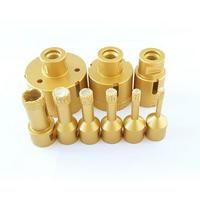
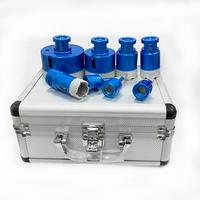
Bit construction affects what comes back out. A sintered M14 core bit and a dry diamond core bit for tile produce different cuttings and need different water management, so learn the normal return for each before treating a change as a fault.
Browse the diamond drill bit category for diameters and segment types. Clamp or anchor the stand, keep cooling water flowing before the bit enters the material, wear eye protection and hearing protection, and isolate the rig before changing a bit.