ES
Diamond tools survive shipping better than most products and degrade quietly in storage worse than most. A blade that sits in a damp corner for a year arrives at the customer with a corroded steel core, oxidation at the braze, and packaging and markings that have deteriorated; a sintered metal bond does not absorb moisture, though resin-bond pads and wheels do. The failure is then attributed to the product.
Warehouse layout and rotation are therefore part of quality control, not just logistics.
Storage conditions that matter
Three conditions cause most storage damage.
- Moisture. Steel cores rust, and brazed products can corrode at the braze. A dry, ventilated store is the baseline; a concrete floor in a humid climate is not dry.
- Load. Blades stored flat under weight can distort. A stack of large blades with a heavy box on top will produce a blade that no longer runs true.
- Handling damage. A blade that is dropped on its rim can crack a segment or bend the core. Damage that is invisible at the rim can show as runout in use.
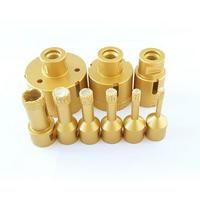
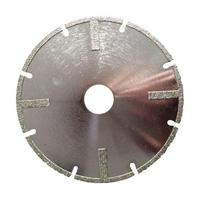
Store blades vertically in racks or in their original packaging, not in flat stacks. Core bits go in racks or in the supplied tubes, with the segment protected. Grinding cups and pads are affected by moisture and by compression, so they belong on shelving rather than in a floor stack.
Layout by movement, not by category
A warehouse organised by product family looks tidy and works badly. A warehouse organised by movement puts the fast movers where they can be picked quickly and the slow movers where space is cheaper.
A practical arrangement: the highest-volume diameters and the most common grits at waist height near the dispatch area, the application-specific items one aisle back, and the slow-moving or oversized stock at the far end or on the upper level. Reserve a picking face for the items that appear on most orders.
Weight matters as much as frequency. A box of large diameter blades is heavy, and a heavy item stored above shoulder height is a handling injury waiting to happen. Put heavy stock low and light stock high.
Rotation
Diamond tools have a long shelf life, but not an infinite one, and packaging and markings change. First in, first out is the rule; the practical version is a location system that makes the oldest stock the easiest to reach.
Label each pallet or bin with the receipt date and the batch. Where the product carries a batch code, record it against the location so a recall or a quality issue can be traced to stock on hand, not just to stock already sold.
Review slow movers annually. Stock that has not moved in a year is either mis-specified for the market or over-ordered, and both are decisions to make rather than to store.
Picking and packing
Most damage happens at packing, not at storage. A blade packed loose in a box will arrive with a chipped segment. Use the original sleeve or a purpose-made protector, and pack so that the blade cannot move.
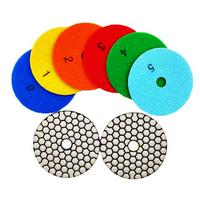
For core bits, protect the segment end. For polishing pads, avoid compression and keep them flat rather than folded. The packing standards for export are covered in packaging and container loading, and the same principles apply to domestic dispatch.
Check the item against the order at the picking face, not at dispatch. A wrong item caught at the shelf takes a minute to fix; caught at the customer, it takes a return.
Inventory accuracy
An inaccurate stock record is worse than no record, because it produces promises that cannot be kept. Cycle counting a portion of the warehouse each week is more reliable than an annual count, and it catches problems while they are small.
Where the range is large, count by movement class: fast movers monthly, medium movers quarterly, slow movers annually. The effort follows the risk.
Spare parts and service items
A distributor that also services tools needs a spare parts stock, which is a different planning problem from finished goods. The considerations are set out in spare parts and stock planning, and the two inventories should be separated physically so that a fast-moving blade is not blocked by a slow-moving flange.
Tooling notes
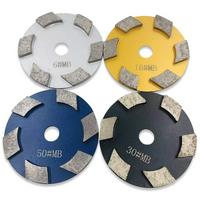
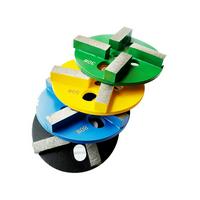
Storage damage is easiest to see on products with a fine edge or a soft bond. A 100 mm diamond cup wheel for granite and cured concrete shows a distorted face immediately when placed on a flat surface, and a diamond floor grinding block shows compression damage at the fixing holes. Check a sample from each pallet before dispatch. The grinding disc category lists the range to plan shelf space against.
The general handling rules for blades and bits are covered in storage and transport tips, which is worth printing and posting in the warehouse rather than filing.
Safety
Warehouse handling of blades is a cut hazard. Wear gloves when picking, keep blades in sleeves until dispatch, and never carry a blade by its rim. Store heavy items low, use a step stool rather than a shelf edge, and keep aisles clear. Inspect incoming stock for a distorted core before it goes on the shelf, and quarantine anything that has been dropped.