ES
Diamond tools are consumables, which makes warranty the most argued part of the supply relationship. A blade that wore out quickly and a blade that failed are different events, but both arrive at the supplier as a photograph of a worn rim.
Separating wear from failure
Wear is expected. The segment gets shorter, the blade cuts slower, and eventually it is replaced. That is the product working as intended.
Failure is different: a segment detaches, the steel core cracks or deforms, the bore is eccentric, or the blade loses tension and wobbles. Those are manufacturing or material issues, not consumption.
The distinction has to be written into the terms. A warranty that covers "performance" without defining failure will be interpreted differently by each party.
Evidence a claim needs
- Photographs of the whole blade, the failed area, and the bore.
- The batch or date code from the blade or the carton.
- The machine used, including its rpm rating.
- The material being cut and the cutting method — wet or dry.
- How long the blade ran before the failure.
- Whether other blades from the same batch show the same problem.
A claim with all six is a conversation about cause. A claim with one photograph is a negotiation.
The causes that are not the supplier's
Overspeed is the most common. A blade rated for a lower speed run on a machine that exceeds it can fail in ways that look like a manufacturing defect. The rpm marking exists for this reason.
Dry cutting a blade designed for wet use, forcing a blade through material it was not specified for, and running a blade with a damaged core are the next most common.
None of these mean the supplier is blameless in every case — a blade that was mis-sold for the application is a supplier issue — but they change the conversation from defect to suitability.
Structuring the terms
Define the warranty period in a way that can be measured: from shipment date, or from first use with a documented start. Define what is covered and what is excluded. Define the remedy: replacement, credit, or refund.
Also define the process. Who inspects, within what period, and what happens to the failed item. A claim process that requires returning a used blade across borders is a process nobody follows.
Reducing claims before they happen
Most claims trace back to a mismatch between the blade and the application. Clear specification at order, correct marking on the blade, and a short application note in the packaging reduce the volume of disputes more than any warranty clause.
Track claims by batch. A cluster of failures in one batch is a production signal; scattered single failures are usually application signals.
Tooling references
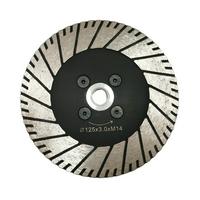
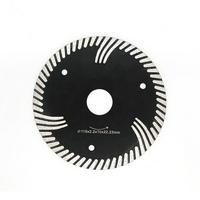
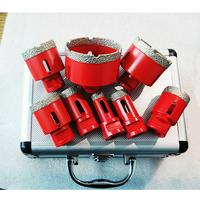
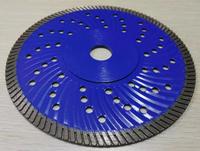
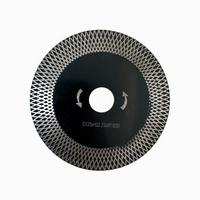
For specification context, the diamond saw blade category lists the blade types and their applications. A hot-pressed turbo mesh blade and an M14 diamond core drill bit set are typical claim subjects because they run in demanding applications.
Two related reads: when to replace a blade, bit, or cup wheel, and the diamond tool troubleshooting guide.
Safety note
A failed blade is evidence, not a spare. Quarantine it, photograph it, and do not put it back into service. A core that has cracked once can fail completely on the next run, and a segment that has started to lift can leave the rim at speed.
For warranty terms on a specific product range, contact our team with the item and the application details.