ES
An importer can get the product specification, price, and freight right and still see the landed cost change between order and arrival, because a trade remedy measure applies to the classification and origin of the goods. These measures are jurisdiction-specific and change over time, so the practical skill is knowing what to monitor rather than memorising a rate.
What a measure attaches to
Trade remedy duties are generally defined by a product scope, a country of origin, and sometimes specific producers. That means the decisive facts are the tariff classification, the origin documentation, and the identity of the manufacturer, not just the commercial description on the invoice. A small change in product specification can move an item into or out of a defined scope.
The HS code and customs documents guide explains why classification should be confirmed against the actual product. Where a measure may apply, ask the broker to check the current scope for the exact code and origin before the order is committed, and keep a dated record of that check.
What to monitor
- Notices in the destination market. New investigations, sunset reviews, and scope rulings can change the position.
- Product scope wording. Read the definition rather than relying on a summary that uses a product name loosely.
- Origin of the goods. A change in manufacturing location alters the analysis, as covered in the OEM specification guide.
- Manufacturer identity. Some measures distinguish between named producers.
- Contract allocation. Who bears a duty introduced or changed after the order date.
Building the risk into the order
Put a clear clause in the contract covering duties and charges introduced after the order is confirmed, and state which party is responsible for monitoring them. Agree a cut-off date for the rate used in the quotation. Where a long-term supply arrangement is involved, include a review point rather than assuming a rate quoted at the start will hold for the life of the agreement. The first-order terms guide covers other contract points that belong in the same discussion.
Do not rely on a rate quoted from memory or on a figure in an old email. Verify with the broker at the time of import and keep the written advice with the shipment file.
Practical effect on sourcing
Where exposure is material, buyers sometimes review specification, origin, or product mix with the supplier. Any such review has to be genuine and documented: reclassifying goods by changing the description on an invoice is not a solution. Keep the technical specification and the customs description consistent.
Information the supplier can provide
Ask for a precise product description, the manufacturing location, the producer's identity, and a technical data sheet that supports the classification. These are the facts the broker needs to check the current position. A supplier who can supply them quickly makes the review straightforward; one who can only offer a general product name leaves the classification unsupported.
Tooling and safe practice
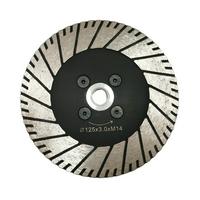
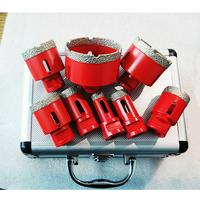
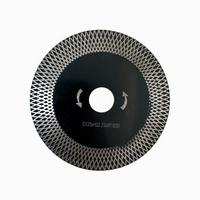
Keep product descriptions stable and precise across documents. Browse the cutting disc category for the specification fields worth fixing in the contract, using a circular cutting disc or a double-sided disc as a reference item.
When the goods are used, confirm rated rpm, keep the guard fitted, and wear eye protection and hearing protection. Isolate tools before changing accessories.