ES
Origin documentation is often treated as a formality that arrives with the shipping papers. When a preferential rate is being claimed, it is the document that decides whether the rate applies at all, and it has to match the goods in the shipment.
Non-preferential and preferential are different
A standard certificate of origin states where the goods were produced and is used for general customs or documentary requirements. A preferential certificate or a statement of origin supports a claim for a reduced rate under a specific trade arrangement. The second has to satisfy the rules of that arrangement, which usually turn on how and where the product was made, not on the seller's address.
For diamond tools, the origin question can involve several inputs: the steel core, the diamond grit, the bond powders, and the place where the segments are formed and joined. Whether the finished tool qualifies depends on the specific rule that applies to its tariff classification, so ask the broker to confirm the rule for the code actually being used. The HS code and customs documents guide covers the classification step that comes first.
Checks before the shipment
- Match the document to the invoice. Product description, quantities, invoice number, and dates should agree.
- Confirm who issues it. Requirements differ on whether a chamber, an authority, or the exporter can issue or self-certify.
- Check the description. A generic line such as hardware tools is rarely enough for a claim.
- Keep supporting records. Bills of materials and production records may be requested to substantiate origin after import.
- Watch validity and timing. Some documents must be issued within a set period relative to shipment.
Where claims go wrong
The most common problem is a mismatch between the claimed origin and the supporting records, discovered long after the goods have cleared. Another is a rate quoted on a pro forma invoice that was never checked against the rule for the final classification. If a preferential rate is material to your landed cost, confirm eligibility before the order is placed rather than after the container sails. The quotation guide explains where duty assumptions usually sit in a supplier's price breakdown.
Practical record keeping
Keep the origin document with the invoice, packing list, bill of lading, and classification records for each shipment. Where the same product is imported repeatedly, keep a short file explaining why it qualifies, so a change in sourcing can be reviewed rather than discovered during an audit.
When the supply chain changes
A change of factory, a new source of steel cores, or a revised bill of materials can affect the origin analysis. Ask the supplier to notify such changes in writing under the contract, and re-check eligibility before the next shipment rather than carrying the old conclusion forward. Keep the date of each review with the shipment file so the reasoning is visible later.
Tooling and safe practice
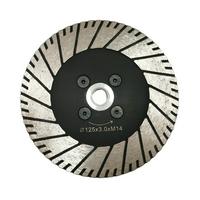
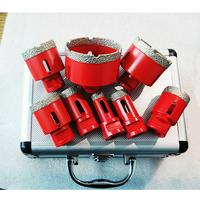
Describe goods precisely in both the order and the documents. Browse the diamond saw blade category for specification fields, and reference a specific item such as a segmented concrete blade or a tile cutting blade rather than a broad category.
On receipt, confirm rated rpm and blade markings, keep the guard fitted, and wear eye protection and hearing protection. Isolate tools before changing accessories.