
 ES
Core drilling into a tunnel or subway lining is not the same job as drilling a floor slab. The concrete is dense, the reinforcement is heavy, the working face may be curved or overhead, and there is rarely room for the rig an operator would choose on an open site.
What the lining demands
Precast segments and cast-in-place linings both tend to use high-strength mixes with closely spaced reinforcement. A bit that cuts the paste comfortably can slow sharply when it reaches steel, and the reaction torque at that moment has to go somewhere. A handheld rig is a poor answer here; a stand or rail-mounted rig anchored to a structural point is the realistic setup. The core drill stand and anchor guide covers the mounting decision.
Access dictates the rest. On a curved segment the stand base may not sit flat, so a purpose-made saddle or a vacuum base with a suitable sealing surface becomes part of the tooling. Overhead work adds a water management problem: the feed has to reach the bit without running back down the rig into the operator and the supply.
Planning the penetration
- Scan before drilling. Locate reinforcement, tendons, and embedded services; a struck tendon is a structural event, not a tooling problem.
- Choose the diameter for the purpose. A small inspection core and an anchor hole place very different torque demands on the rig.
- Plan for depth. Extension bars change alignment and cooling behaviour; the deep hole drilling guide covers that sequence.
- Contain the water. Collection trays and a wet vacuum keep slurry off the track bed and out of drainage.
- Record each hole. Position, depth, what was encountered, and the core condition all belong in the shift record.
The reinforced concrete drilling guide describes how the cut changes when steel is met, including the reduction in feed and the need for steady cooling through the interface.
Reading the core
The recovered core is often the point of the work. A crumbly or fractured core can indicate a void, a cold joint, or a drilling problem; note which before drawing a conclusion. Keep cores in order and labelled by position, since a core without its location is of limited use to the engineer reviewing the lining.
Working to the access window
Underground work is usually done in a short possession with a fixed end time. Assemble the rig, extensions, water supply, collection trays, and spares outside the window, and check them as a set before entering. Decide in advance what depth or condition will trigger stopping the hole, so the decision is not made under time pressure with the rig still running.
Tooling and safe practice
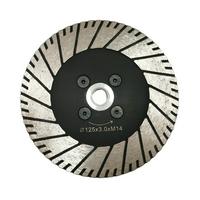
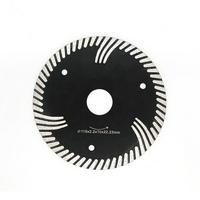
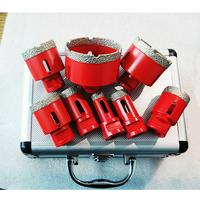
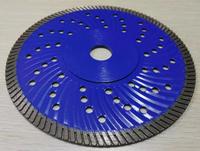
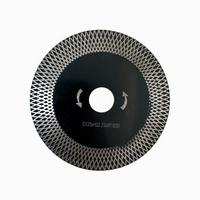
Browse the diamond drill bit category for segment types and shanks. A vacuum brazed core drill set suits smaller investigative holes, while a segmented blade handles any associated cutting or trimming on the same shift.
In an enclosed underground space, ventilation and respiratory protection matter alongside the usual controls. Use an RCD-protected supply for wet work, confirm rated rpm, keep the guard fitted, and wear eye protection and hearing protection. Isolate the rig before changing a bit.