
 ES
Ask two contractors how many polishing pads a floor will take and you will get two different answers. Both may be right, because pad consumption depends on the slab, the machine, and the starting grit far more than on the area alone.
What actually consumes a pad
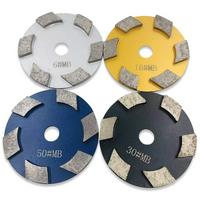
Hard, dense aggregate with a low starting grit wears the coarse metal-bond tooling, while soft or poorly cured concrete loads resin pads quickly and blunts their cutting action. Machine weight changes the pressure on each pad, and head count changes how that pressure is distributed. Too much water can float a pad off the surface; too little lets resin overheat and glaze.
The chosen finish matters too. A floor specified to a high gloss needs more refinement stages, and each stage has to remove the scratch pattern left by the one before. Skipping a grit to save pads usually costs more in rework than it saves in consumables.
Building an estimate from records
- Track by stage, not by job. Record the area covered per pad at each grit. A single blended number hides which stages are expensive.
- Note the slab. Aggregate type, surface hardness, age, and whether a densifier was used all change the figures.
- Note the machine. Weight, head count, speed setting, and pad diameter.
- Record the operator's pass pattern. Overlap and the number of passes per stage affect pad life substantially.
- Add a contingency. A test patch gives a local figure; edges, columns, and repairs consume more than open floor.
Once a few jobs are logged, the estimate becomes a rate per square metre per grit rather than a guess. The same structure underlies the cost per cut evaluation, applied here to polishing rather than sawing.
Why a test patch pays for itself
A small trial area run through the full intended sequence gives real consumption for that slab and exposes any stage where the previous scratch pattern is not being removed. It also settles how many pads of each grit need to be on site, which matters more than the total when a crew is working away from a supplier.
Converting the estimate into an order
Once the rate per grit is known, multiply by the net polish area, then add a separate allowance for edges, columns, and repair patches. Those zones are worked with smaller pads at lower speed and almost always consume more per square metre than open floor.
Keep the figures by grit rather than as one total. Running out of a mid-sequence grit stops the whole job, while a spare coarse pad may sit unused. If the crew is working away from a supplier, that difference decides the delivery schedule more than the overall cost does.
Ordering and maintenance planning
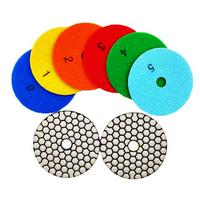
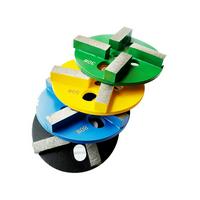
Pad life also depends on what happens after the job. Maintenance polishing with a floor polishing pad uses far fewer abrasives than a full refinement sequence, as described in the burnishing pad guide. For the initial grind, a resin bond sanding disc is the stage worth measuring separately.
Browse the polishing tools category for pad diameters and grits. Keep dust control in place, wear eye protection and hearing protection, and confirm the pad's rated rpm against the machine before each stage.