
 ES
Two quotations for the same blades can differ by a wide margin and still be honest, because one stops at the port of loading and the other lands at the warehouse. The delivery term is what makes them comparable. Reading it as a line of boilerplate is how landed cost gets underestimated.
What the term actually allocates
A trade term sets three things: where the seller's delivery obligation ends, at what point risk of loss moves to the buyer, and which party pays each cost along the route. It does not set title to the goods, payment timing, or what happens if a shipment fails inspection. Those belong in the contract separately.
Naming the place matters as much as the three-letter term. FOB with a named port is a different obligation from FOB with an inland location, and a quotation that omits the place leaves the most important variable undefined.
Three terms in practice
- FOB (Free On Board), named port of shipment. The seller clears the goods for export and loads them on the vessel. Risk moves to the buyer once they are on board. Ocean freight, insurance, destination charges, and import clearance sit with the buyer. Common where the importer has a freight forwarder and wants control of the routing.
- DAP (Delivered At Place), named destination. The seller carries the goods to an agreed point, usually the buyer's premises or a terminal, with the buyer handling import clearance and duties. Risk transfers when the goods are placed at the buyer's disposal on the arriving vehicle, ready for unloading.
- DDP (Delivered Duty Paid), named destination. The seller takes on the most, including import clearance and duties. It looks simple, but it requires the seller to be able to handle import formalities in the destination market, which is not always workable.
For any of them, write the named place in full on the purchase order and make sure the quotation, the invoice, and the contract use the same wording. The guide to reading a diamond tool quotation covers the other line items that need the same treatment.
Where disputes start
Terminal handling charges, unloading, and local delivery are the usual grey areas. Ask who pays each of them and get the answer on the quotation rather than discovering it when the container arrives. Insurance is another: under several terms the seller has no obligation to insure, so the buyer needs cover in place before the goods leave the factory.
Connecting terms to classification
The delivery term does not change the tariff classification, but it changes who is responsible for getting that classification right at the border. The HS code and customs documents guide explains the paperwork that sits behind the clearance step. Confirm who supplies the commercial invoice, packing list, and any origin documentation before the shipment is booked.
Tooling and safe practice
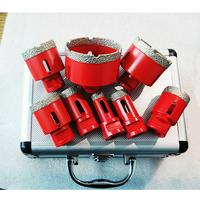
Whatever the term, specify the product precisely enough that what arrives matches what was quoted. Browse the diamond saw blade category for diameter, bore, and bond details, and reference a concrete item such as a 125 mm segmented blade or a hole saw kit rather than a generic description.
When the goods are put into service, confirm the blade's rated rpm against the tool, keep the guard fitted, and wear eye protection and hearing protection. Isolate tools before changing accessories.