ES
A carton of blades arrives with a crushed corner and several discs slightly dished. The first instinct is to raise a quality complaint with the supplier. In most cases this is a transport loss, and the route to recovery is different.
Two different claims
A warranty claim concerns the product as manufactured: a bonding defect, a wrong specification, or a performance issue on a correctly used tool. The warranty and claim handling guide covers that process. A cargo claim concerns what happened between the factory and the warehouse: impact, crushing, water ingress, or a container that was poorly stowed. Evidence is collected differently, and the responsible party is different.
Which party carries the risk at each stage depends on the delivery term in the contract. Confirm that first, because it determines whether you or the seller has the standing to pursue the carrier or the insurer.
Documenting at the door
- Photograph before unloading. Capture the container seal, the door, the stowage, and any shifted or wet cartons.
- Note the bill of lading and seal number. A broken or substituted seal needs to be recorded on the delivery document.
- Note exceptions on the delivery receipt. A clean signature makes a later claim considerably harder.
- Segregate and retain the damaged goods. Keep them exactly as received, with packaging, until the survey is done.
- Notify promptly. Insurers and carriers set notification windows; a late report can prejudice the claim even with good photographs.
What good packaging changes
Blades are stiff but their steel cores dislike point loads and sustained bending in a stack. Cartons that are too large for the quantity allow discs to shift, and pallets with an overhang concentrate weight on the outer boxes. The packaging and container loading guide covers the physical side. Insurers also look at whether the packing was adequate for the voyage, so documenting the agreed packing specification at the order stage protects both sides.
Building a defensible file
Keep the commercial invoice, packing list, bill of lading, insurance certificate, delivery receipt, photographs, and a short written description of the damage together. Record how many units are affected and whether the rest of the shipment is sound. Where a surveyor is appointed, do not dispose of or rework the goods before they have been inspected.
Small losses add up
Keep a single log of minor transit damage rather than absorbing each case as a write-off. Repeated crushed cartons on the same route, or the same stowage position, point to a packing or loading issue that can be fixed at source. Check the policy excess as well: a claim below the deductible is still worth recording, because the pattern is what justifies changing the packing specification or the carrier.
Tooling and safe practice
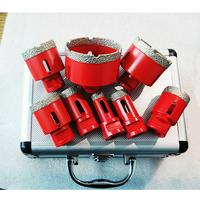
Specify packaging in the purchase order with the product. Browse the cutting disc category for items that need particular care, such as a boxed hole saw kit or a step drill set whose case is part of the product.
Check every blade for flatness and core damage before it enters service. Confirm rated rpm, keep the guard fitted, and wear eye protection and hearing protection. Isolate tools before changing accessories and discard any blade with a cracked or distorted core.