ES
The question is not which method is better. It is which method fits the work your shop actually does, because a CNC machine idling in the corner costs more than a skilled hand fabricator who is busy.
What manual profiling does well
Hand profiling uses a grinder or a wet polisher with profile wheels, dressed to shape. The capital cost is low, the setup is immediate, and the operator can adapt to an irregular edge, a repair, or a one-off shape without programming anything.
It is also the only practical method on site. A countertop that needs an edge adjusted during installation is fixed with a hand tool, not with a machine that stayed at the shop.
The weakness is consistency. Two operators produce two different profiles, and the same operator produces a different profile on a Monday morning than on a Friday afternoon.
What CNC profiling does well
A CNC router produces the same profile every time, to a tolerance that hand work cannot match. Complex shapes — curved islands, multiple radii, repeated sink cutouts — are programmed once and repeated without variation.
It also removes the operator from the dustiest, most repetitive part of the job, which matters for both labour availability and exposure control.
The weakness is inflexibility. Setup and programming take time, and small runs do not amortise that time. A shop that runs five custom pieces a week may spend more time at the screen than at the machine.
The decision factors
- Volume and repetition. Repeated identical profiles favour CNC. One-offs favour hand work.
- Complexity. Curves, multiple radii, and internal shapes favour CNC; simple bullnoses and bevels are fast by hand.
- Labour. Skilled fabricators are scarce. CNC shifts the skill requirement from hand control to programming and setup.
- Tolerance. Mitred edges and visible joints demand consistency that hand work struggles to hold across a run.
- Site work. A CNC cannot fix a countertop in a client's kitchen. Some hand capability is always needed.
The hybrid that most shops end up with
In practice, most established shops run both. The CNC handles the bulk of straight runs and repeated profiles, and hand tools handle touch-up, repairs, site adjustments, and shapes that are not worth programming.
The important discipline is deciding which work goes where before the job starts. A piece that is CNC-cut and then hand-finished to correct a programming error costs more than either method alone.
Hidden costs on both sides
Manual profiling costs show up as labour hours, consumable wheels, and rework. CNC costs show up as programming time, maintenance, tooling, and the learning curve on setup.
Neither is free. The comparison only makes sense per square metre of finished edge, over a realistic production mix.
Common mistakes
- Buying a CNC without the volume to keep it loaded.
- Underestimating programming and setup time in the business case.
- Assuming CNC removes the need for skilled hand finishing.
- Running simple profiles on the CNC because it is there, when a hand tool would be faster.
- Not budgeting for tooling and coolant maintenance on the machine.
Tooling
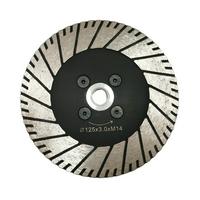
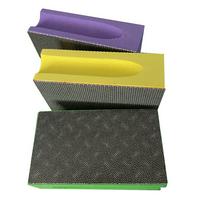
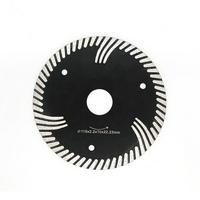
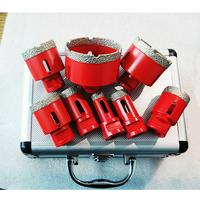
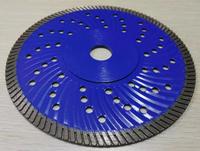
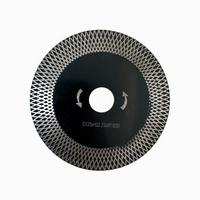
For hand profiling, the grinding disc category covers the wheels. A 75 mm vacuum brazed hand wheel is a practical general profile tool, and a vacuum brazed milling wheel covers heavier shaping on a machine or a rigid hand setup.
Two related reads: profile wheels for edge shaping, and essential diamond tools for granite shaping.
Safety
Both routes expose operators to silica dust. Hand profiling needs water feed or extraction, a respirator, eye protection, and hearing protection. CNC work needs the enclosure and interlocks maintained, plus the same respiratory protection during cleanup. Isolate machines before any tool change.
If you are weighing the two routes for a specific product mix, send the profile types and monthly volume and we will suggest a tooling plan for either.