ES
A polished concrete floor is specified once and then lives with traffic for years. The specification that suits a fashion retail space is not the one that suits a warehouse aisle, because the two floors lose their finish in different ways.
Where each floor wears
Retail floors take a steady, distributed flow with concentrated wear at entrances, till areas, and turning points. Appearance under bright, angled lighting is the main criterion, so haze and directional scratches show up quickly. Warehouse floors take hard wheel loads on defined aisles, with abrasion from grit tracked in at the doors and impact at racking legs. There, resistance to wear and cleanability matter more than a high gloss reading.
Both benefit from a clear maintenance plan, but the plan differs. Retail floors tend to need frequent dust control and periodic burnishing at the entrance zones; warehouses need grit control at the doors and a realistic expectation of the aisle finish. The maintenance polishing guide covers the periodic burnishing sequence.
Doors and thresholds
Entrances and transitions between floor types take the heaviest grit load and the most frequent cleaning. Treat them as a separate zone in both the specification and the maintenance plan: more durable finish, longer matting, and a shorter inspection interval than the open floor. A floor that looks uniform at handover usually starts to differ at exactly these lines.
Specifying for the use
- Agree the finish by area. A single gloss target across a whole building often forces over-polishing in the service zones.
- Plan entry matting. Most abrasion starts with grit brought in on shoes and wheels.
- Define the cleaning method. The wrong cleaner can leave a film that looks like a failed polish.
- Set a review point. Inspect after the first season of real traffic rather than judging only at handover.
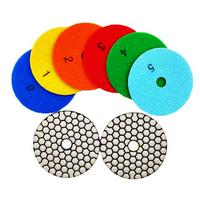
- Keep spare pads by grit. Maintenance work uses far fewer abrasives, but running out of the right one stops the programme.
The concrete polishing sequence guide explains where densifier sits in the initial finish, which determines how the floor responds to maintenance later.
Reading wear before it becomes a repair
Measure gloss and inspect under raking light at the same locations each quarter. A slow, even decline is normal traffic wear and a candidate for burnishing. A localized drop at a doorway or a turning point points to grit or a cleaning problem, and polishing the whole floor in response wastes the effort. Photograph the same spots each time so the comparison is real rather than remembered.
Setting the maintenance interval
Fix the first review from measured readings rather than a calendar date. If gloss and appearance are holding steady after the first season, extend the interval; if the entrance zones are dropping quickly, shorten it for those areas only. A maintenance plan that follows the observed wear pattern costs less and keeps the floor looking consistent across the whole building.
Tooling and safe practice
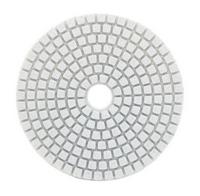
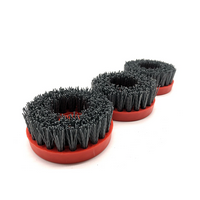
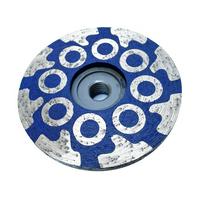
Browse the grinding tools category for preparation tooling, and the polishing range for maintenance pads. A floor polishing pad suits routine refinement, while a resin bond sanding disc is the option when a small area needs re-refinement rather than a full repolish.
Keep dust control in place, wear eye protection and hearing protection, and confirm the pad's rated rpm against the machine. Isolate equipment before changing tooling.