ES
The chemical products used around polished stone are easy to treat as part of the finishing kit rather than as chemicals in their own right. Densifiers, penetrating sealers, resins, and cleaners each come with a safety data sheet, and the useful parts of that document are not always the parts people read.
Sections that change what happens on site
Start with hazard identification and composition, then go straight to the control measures: ventilation requirements, the protective equipment specified, and the first-aid measures relevant to splashes or inhalation. These determine whether a product can be used in an occupied room, whether local extraction is needed, and what has to be on hand before the container is opened.
Then check storage and incompatibility. Some products react badly with acids, some are sensitive to frost, and some have a limited working time once mixed. Storage instructions matter on a site where containers sit in a van overnight or in a cold store over a weekend. The storage and transport guide covers the physical side for blades and bits; chemical products add their own constraints.
Turning the sheet into a method
- Keep the current sheet on site and make sure it matches the product and batch actually being used.
- Write the PPE into the job sheet rather than assuming the crew will infer it from the container label.
- Plan ventilation and exclusion zones before application, especially in small rooms.
- Check disposal and spill instructions against the slurry and wash-water route on that site.
- Record the product and batch alongside the polishing sequence for later reference.
The concrete countertop polishing guide shows where a densifier sits in the finishing sequence, which is the point at which the SDS should already be read.
Where the SDS meets the tooling
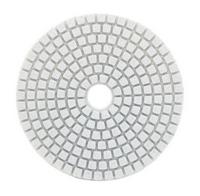
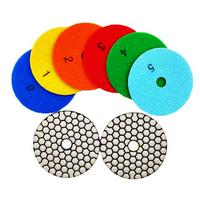
Chemical residues are a common cause of polishing pad loading, and washing them off with an incompatible cleaner can make the surface worse. If a pad suddenly stops cutting after a chemical stage, check the product's cleaning instructions before reaching for a dressing block. The hybrid polishing pad and the foam back hand pad used for touch-up work have resin bonds that can be affected by solvent cleaners.
Browse the polishing tools category when planning the pad sequence, and keep chemical handling and abrasive work in separate, clearly labelled areas.
Making the sheet usable
A document in an office folder does not help the person opening the container. Keep the current sheet where the product is stored, walk the crew through the two or three controls that apply to that specific job, and confirm the spill kit and first-aid items named in the sheet are actually present. Check the sheet again when a new batch arrives, since formulations and guidance can change between revisions.
Safe practice
Wear eye protection, gloves specified in the sheet, and a respirator rated for the exposure where required, and maintain ventilation during application and curing. Keep the tool guard fitted for any cutting or polishing work, confirm rated rpm on every pad, and isolate equipment before changing accessories.