ES
Variable speed is often sold as a universal upgrade. In practice its value depends entirely on what is fitted to the spindle. A polisher and a small cutting disc make very different demands, and treating them the same way wastes either the feature or the accessory.
Where speed control earns its keep
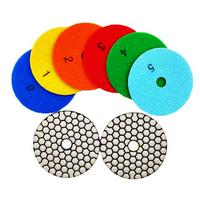
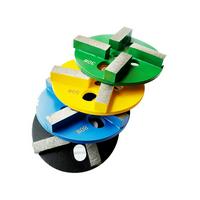
Resin and hybrid polishing pads are rated for a working band, not a single maximum. Running them at full grinder speed overheats the bond and leaves haze. A tool with a usable low-speed setting lets one machine carry a full grit sequence; the rpm matching guide shows how diameter and accessory rating interact.
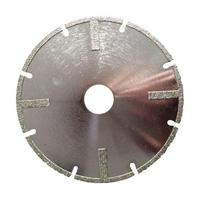
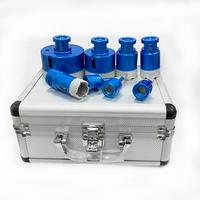
Large-diameter blades also benefit. Rim speed rises with diameter at a fixed rpm, so a bigger blade may need a lower spindle speed to stay inside its marking. Core drilling in hard aggregate is similar: a lower speed with steady cooling and reduced feed often cuts more consistently than a fast, light pass.
Where it changes very little
A 115 mm dry cutting disc on tile or a small grinding wheel is designed for the fixed speed of a standard grinder. Dropping the speed substantially reduces cutting efficiency without improving the result, and can make the tool feel sluggish enough that the operator compensates by pushing harder. If a job only ever uses these accessories, a fixed-speed machine is a reasonable choice.
What the specification should say
Look for a machine that holds its set speed under load rather than one that only offers a dial. Constant-speed electronics increase power as resistance rises, which is exactly what is needed when a pad contacts an uneven edge. A machine that simply limits no-load speed and then sags under pressure gives the worst of both worlds.
Also check the usable range. A dial that spans from a very low setting to full speed is less useful if the bottom half is unstable or stalls as soon as pressure is applied. Test the tool with the accessory fitted, not free-running on the bench.
Practical setups
- Polishing sequence. A variable-speed wet polisher with a dry diamond polishing pad or a floor polishing pad lets you hold the same tool through several grits.
- Mixed workshop. One speed-controlled machine can cover polishing and light cutting, provided the operator resets the dial and confirms the accessory rating each time.
- Blade markings. Read the maximum operating speed and any recommended range before selecting a setting; the guide to diamond blade markings explains the symbols.
- Warm-up and cooling. Electronics that hold speed under load generate heat. Let the tool cool on long continuous jobs rather than assuming it can run flat out indefinitely.
Buying and working safely
Match the machine to the accessories you actually use. The polishing tools category lists pad diameters and their intended speeds, which is a better starting point than choosing a tool first and adapting everything afterwards.
Whatever the setting, confirm the accessory's maximum rated rpm is not below the tool's capability, keep the guard fitted, and wear eye protection and hearing protection. Isolate the tool before changing accessories, and never adjust the speed dial while the accessory is in contact with the work.