ES
A test report attached to a quotation looks like evidence. It can be, but only if you know what was tested, under what conditions, and whether the result says anything about the job you are buying for. A number without its method is not a specification.
Start with the identification
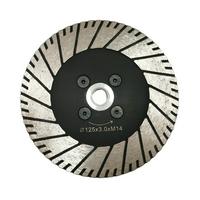
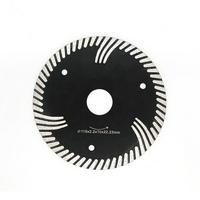
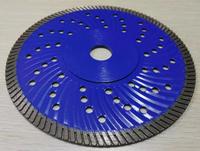
Check that the report names the exact product: diameter, bore, segment height, bond type, and batch or sample identifier. A report for a similar blade in the same family does not describe the item being offered. Note the date of the report and the date of the sample; an old report may refer to a specification that has since changed.
Then check the laboratory and the scope of the work described. Look for the test method, the equipment used, and the calibration status of the measuring instruments. The quality inspection guide covers the checks that can be done in-house; a third-party report should add independent measurement, not simply repeat them.
Conditions decide what the numbers mean
- Workpiece. Aggregate type, compressive strength, thickness, and reinforcement content change cut rate and wear dramatically.
- Machine. Spindle power, speed, feed system, and whether the test used a guided saw or a handheld tool.
- Cooling. Wet or dry, flow rate, and whether it was held constant through the run.
- Test duration. A short trial favours initial sharpness; a longer run reveals how the bond wears.
- Reported metrics. Cut rate, blade wear, and total metres cut should be defined, with units and measurement method.
What cannot be concluded
A report does not guarantee that the same result will occur on a different slab with a different operator. Be cautious with any figure presented without a reference blade or a stated baseline, and with claims that extend the result beyond the tested material. Where a comparison is made, check that both blades were tested on the same machine and the same workpiece. The cost per cut framework is a better basis for a purchasing decision than a single cut-rate figure.
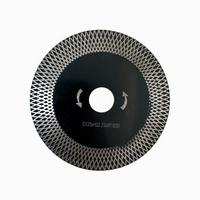
Also check the blade markings against the report; the markings guide explains what should be on the label and how to reconcile it with the documentation.
Using the report well
Ask for the method along with the result, and keep the report with the sample evaluation records so a repeat order can be compared like for like. Where the outcome matters, run your own short trial on the actual material. A supplier's report is a starting point for that trial, not a substitute for it.
Keeping a reference sample
Retain a labelled blade from the batch the report describes and one from the first production shipment. When a later order performs differently, a side-by-side comparison of segment geometry, height, and core flatness is faster than another round of documents. Store them flat and dry so the comparison is not distorted by the way they were kept.
Tooling and safe practice
Browse the diamond saw blade category for the specifications a report should identify. A general circular cutting disc and a sintered turbo blade belong in different test conditions, so do not compare their figures directly.
When trialling, confirm rated rpm and maximum peripheral speed, keep the guard fitted, and wear eye protection and hearing protection. Maintain cooling or dust control and isolate the tool before changing blades.