
 ES
A blade fails on a Tuesday and nobody can say which batch it came from, which machine it ran on, or what material it had cut. Without those three facts the incident stays an opinion. With them it becomes a diagnosis that can be acted on.
What to record, and what not to
Useful records are short. For each tool or batch, capture the specification, the supplier and batch marking, the date it went into service, the machine it was fitted to, the materials it was used on, and the reason it left service. Add a note for any unusual event: a bind, a reinforcement strike, or a lost water feed. The guide to blade markings explains which label details are worth transcribing.
Do not build a form that takes longer to fill than the job takes to do. A photo of the blade label and a one-line note in a shared log beats a spreadsheet nobody updates. The aim is to answer a specific question later, not to produce a report for its own sake.
What the records reveal
- Recurring failures on one machine. Points to runout, a worn spindle, or a mismatch in rated speed rather than to the tooling.
- Short life on one material. Usually a bond mismatch, not a quality problem.
- One bad batch. Visible as a cluster of early failures with the same marking across different machines.
- Cost drift. Comparing metres cut per blade across crews shows where technique or setup differs.
- Retirement decisions. A dated history supports replacing tooling on condition rather than on a fixed calendar.
The cost per cut evaluation gives a framework for turning those observations into a comparable figure, and the rental fleet guide covers the same logic where tools are issued to different crews.
Making it stick
Put the record where the work happens: a tag on the tool case, a QR code on the storage rack, or a note field in the job sheet the crew already uses. Assign one person to review the log monthly and look for clusters rather than individual entries. Feed the findings back to the crew as a change in setup, so the log is seen as useful rather than as paperwork.
When something fails
Retain the failed item, photograph the label and the fracture, and note the machine and material before it goes back into the stores. A physical sample plus a dated record is what allows a batch issue to be identified and discussed with a supplier on evidence rather than on impression. Without the sample, the log records an event that nobody can subsequently verify.
Tooling and safe practice
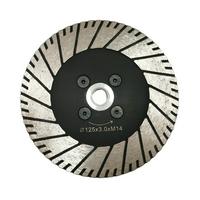
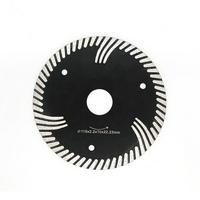
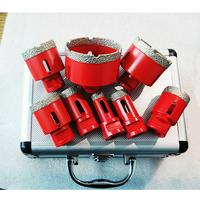
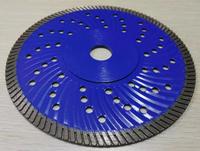
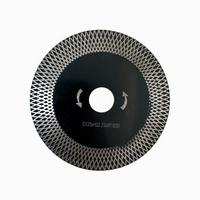
Standardising on a small number of specifications makes the whole system simpler. Browse the diamond saw blade category for the core range, and keep a hole saw kit or similar set logged as a single asset with individual bit records rather than as loose consumables.
Isolate tools before inspection, wear eye protection and hearing protection, and keep guards fitted. Confirm rated rpm on every accessory and retire any blade with a cracked or damaged core.